
- [방문 감사합니다] (970)

| 일 | 월 | 화 | 수 | 목 | 금 | 토 |
|---|---|---|---|---|---|---|
| 1 | 2 | 3 | ||||
| 4 | 5 | 6 | 7 | 8 | 9 | 10 |
| 11 | 12 | 13 | 14 | 15 | 16 | 17 |
| 18 | 19 | 20 | 21 | 22 | 23 | 24 |
| 25 | 26 | 27 | 28 | 29 | 30 | 31 |
- 효과성 코칭 방법론
- 효과성 코칭 모델
- Effectiveness Coaching Methodology
- thinking partner
- 효과성 코칭
- Sukjae Lee Ph.D.
- 멘탈 모델링 코칭
- 미위마인드 mewemind.com
- 경영심리학자의 효과성 코칭
- 실행력을 높이는 코칭심리학 수업
- 관점 전환
- Effectiveness Coaching
- 이종서 HR 컨설턴트
- 이종서 코치
- 생각 파트너 이석재
- 코치올
- 떠도는 마음 사용법
- 코칭방법론
- 증거기반코칭
- 관점 코칭
- 결정적 행동
- 원하는 결과
- 현징증심 코칭심리학
- 현장중심 코칭심리학
- Effectiveness Coaching Model
- 씽킹 파트너
- 3S-FORM Coaching Model
- Coach Sukjae Lee
- 코칭심리학 공부방
- 3S-FORM Coaching Model과 뇌과학의 결합
- Today
- Total
생각 파트너
Effectiveness Coaching vs. Effective Coaching 본문
Effectiveness Coaching vs. Effective Coaching
Thinking Partner 2025. 11. 11. 08:12Sukjae Lee Ph.D.
Creator of the Effectiveness Coaching Methodology
2025. 11. 11
I. What is Effectiveness Coaching?
"Effectiveness coaching" is a descriptive phrase for coaching that yields results, but a specific, trademarked methodology called "Effectiveness Coaching" was created by Dr. Sukjae Lee. Dr. Lee's "Effectiveness Coaching" is a unique, integrated methodology that focuses on maximizing a client's "effectiveness" to achieve desired personal and professional results(called "effective results"). It also takes a goal-oriented approach to developing individuals by helping them achieve effective results through internal change and behavioral modification It is characterized by:
1. An Integrated Approach: Combining individual and organizational coaching to maximize overall effectiveness. Effectiveness coaching addresses individual and organizational coaching from a systematic and integrated perspective. It extends leadership development by linking it to organizational development through individual and organizational activities at each organizational level.
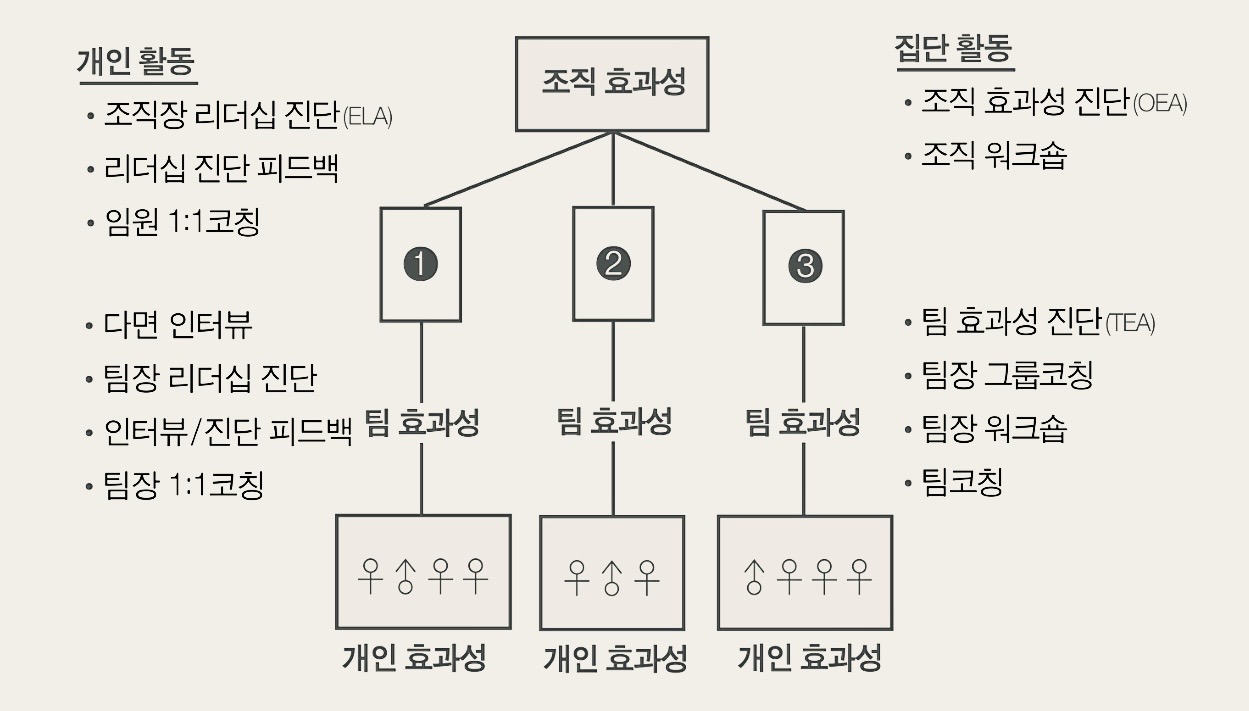
[Figure 1] Linking Effectiveness across Organizational Units
2. Effectiveness Coaching Model: Effectiveness coaching is based on the assumption that 'people seek effectiveness to increase the possibility of achieving their desired results in life'. Here, effectiveness refers to the degree to which an individual, team, or organization obtains the desired result. Effectiveness coaching is a cooperative activity that increases the possibility of obtaining the desired result by using the motivation to construct the life of the coaching target, the demand and potential for change, and self-awareness about it as an energy source for change. Coaches are experts who play the role of partners who stimulate thoughts and help them achieve desired results(called "effective results") in these cooperative activities(Lee, 2014).
The coach diagnoses and analyzes the current situation in which the coaching subject faces according to the effectiveness coaching methodology, clearly determines specific change needs and effective results, and derives critical beahvior to achieve the effective results. Critical behavior is derived through individual coaching, group coaching, or team coaching workshops. the client determines coaching goals that link need for change, critical behavior, and effective results, and conduct a series of structured, goal-oriented cooperation activities during the agreed period.

[Figure 2] Effectiveness Coaching Model
3. The 3S-FORM Model: Effectiveness Coaching focuses on a systematic process that includes identifying goals, coaching for behavioral change, and evaluating outcomes, while also emphasizing the development of self-awareness, self-talk, and self-reflection to foster lasting growth. Especially it creates lasting behavioral change by activating internal drivers: Self-awareness, Self-talk, and Self-reflection (the 3S). The 3S are the 'internal growth engine' that drives behavioral change.
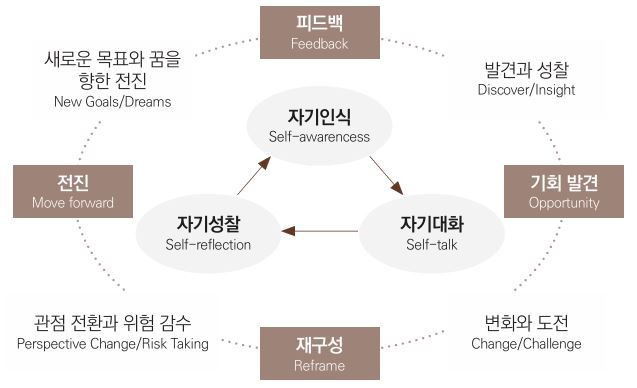
[Figure 3] The 3S-FORM Coaching Model for Creating Behavioral Change
4. Diagnostic Tools: The use of online "Effectiveness Leadership Assessment," "Team Effectiveness Assessment," and "Organizational Effectiveness Assessment" to objectively measure and diagnose factors influencing effectiveness.
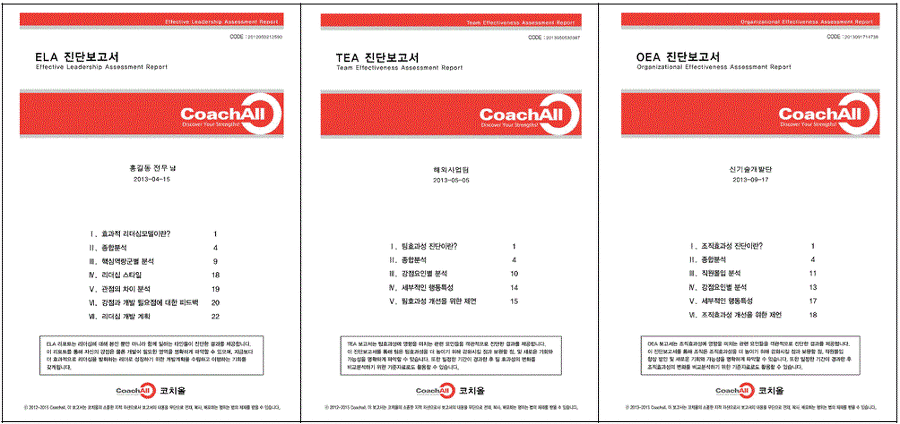
[Figure 4] Effectiveness Diagnostic Tools
II. What is Effective Coaching?
Separately, the term "effective coaching" as a general concept in professional practice was popularized by other influential figures and works:
1. General Models Known for Effectiveness. Several widely adopted models are recognized for their effectiveness in guiding coaching conversations and achieving performance improvements:
| GROW | Goal, Reality, Options, Will | A simple, powerful framework for setting goals, exploring the current situation, identifying solutions, and committing to action. It improves performance and engagement. |
| OSCAR (or OSKAR) | Outcome, Situation, Choices, Actions, Review | Similar to GROW but emphasizes a solution-oriented approach and regular review of progress. |
| ACHIEVE | Awareness, Choices, Help, Ideas, Evaluation, Visualization, Execution | A comprehensive model that focuses on self-awareness, exploring options, seeking support, generating creative ideas, evaluating progress, visualizing success, and taking action. |
Myles Downey is a well-known author in the general field of coaching, notably for his book Effective Coaching (1999).
Sir John Whitmore is widely regarded as the "father of modern coaching" and a pioneer in defining effective practices through the creation of the GROW model (Goal, Reality, Options, Will/Way Forward).
Joanna Jarosz and Rick Cartor introduced a specific academic model in a 2023 paper called the "Coaching Effectiveness Framework" for measuring outcomes in research.
2. Key Factors for Effective Coaching. Regardless of the specific model used, effective coaching relies on several core components:
- Strong Coaching Relationship: Building trust and rapport between the coach and coachee is considered a primary variable impacting outcomes.
- Clear Goal Setting: Defining specific, measurable, and achievable objectives is a foundational step.
- Action & Accountability: The process must lead to concrete action steps and a plan for implementation and review.
- Coach Expertise: An effective coach integrates professional knowledge (subject expertise), interpersonal knowledge (connecting with clients), and intrapersonal knowledge (self-awareness and reflection)
For more details, visit thinkingpartner.co.kr
-Sukjae Lee, Thinking Partner
'4. 코칭심리연구 > 코칭심리 탐구' 카테고리의 다른 글
| 효과성 코칭의 주요 특징 (0) | 2025.11.12 |
|---|---|
| Create the Effectiveness Coaching Model (0) | 2025.11.12 |
| 효과성 코칭의 프레임워크와 실제 (0) | 2025.11.07 |
| The Theory and Practice of Effectiveness Coaching (3) | 2025.11.07 |
| 효과성 코칭의 개발 (0) | 2025.11.05 |


