The Theory and Practice of Effectiveness Coaching
Sukjae Lee Ph.D.
Creator of the Effectiveness Coaching Methodology
2025. 11. 7
Overview
The theory and practice of effectiveness coaching is a unique methodology developed by Coach Sukjae Lee(S. Lee, 2014), which focuses on maximizing a client's 'effectiveness' through coaching to help them achieve their desired results. It is characterized by an integrated approach that goes beyond simple behavioral change to also pursue internal growth.
1) Theoretical Foundation of Effectiveness Coaching
Effectiveness coaching is based on the assumption that "people seek effectiveness to increase the possibility of achieving their desired results in life." Here, effectiveness is defined as a key value that enhances the possibility of goal attainment. The theory is structured around the following core concepts:
- ABC Framework: As a specific methodology developed by coach Sukjae Lee(Seokjae Lee interchangeable), which uses an A (Antecedent/Trigger), B (Behavior), C (Consequence/Result) framework to understand and modify behavior through understanding the cause-and-effect relationships.
- Effectiveness Coaching Model: A systematic coaching activity is developed through a goal-oriented 4-step process (identifying change needs - setting change goals - coaching for behavioral change - evaluating coaching outcomes). For more details as to Effectiveness Coaching Model, visit https://thinkingpartner.co.kr
- Integrated Approach: It views individual effectiveness (ELA), team effectiveness (TEA), and organizational effectiveness (OEA) not as separate entities but as an interconnected system, aiming to maximize overall organizational effectiveness through diagnostics at each level.
- Internal Change: It places importance on activating the 'internal growth engine,' the 3S (self-awareness, self-talk, self-reflection), for long-term growth rather than being limited to short-term behavioral change.
2) Practical Application of Effectiveness Coaching
The theoretical foundation is implemented in the actual coaching field through the following methods:
- Utilization of Diagnostic Tools: Objective multi-rater diagnostic tools—ELA (individual), TEA (team), and OEA (organization)—are used to measure the effectiveness of each organizational unit and quantitatively track changes before and after coaching.
- 3S-FORM Coaching Model: The coach follows the FORM coaching process to drive behavioral change, while the coachee activates the 3S for internal change. The collaboration between these two strategies enhances coaching effectiveness.
- Collaborative Partnership: The coach acts as a 'partner' who helps the client increase the possibility of achieving their desired results, rather than being a one-sided advisor. It emphasizes collaborative activity that helps clients use their own potential as the energy for change.
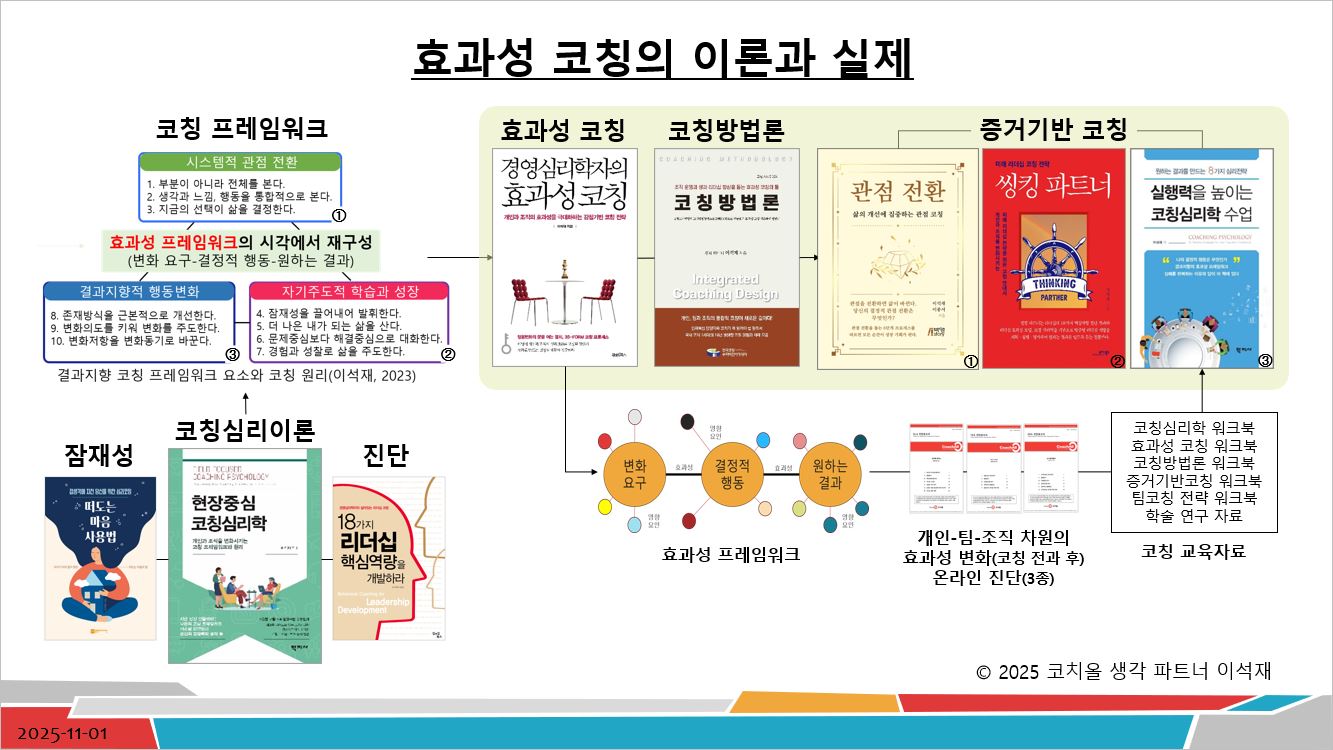
[Figure 1] The Theory and Practice of Effectiveness Coaching
What is Effectiveness Coaching?
1. Effectiveness Coaching
Effectiveness Coaching, originally developed by Dr. Sukjae Lee, is founded on the assumption that "people seek effectiveness to increase the possibility of achieving their desired results in life" (Lee, 2014). Effectiveness Coaching is a collaborative activity that uses motivation and people's potential as the energy for change to increase the possibility of achieving desired results. In this collaborative activity, the coach is an expert who serves as a partner.
The coach identifies which factors in a given life context influence the possibility of achieving desired results and helps to promote those influencing factors to achieve the desired results. A series of structured, goal-oriented collaborative activities related to this is what constitutes Effectiveness Coaching.
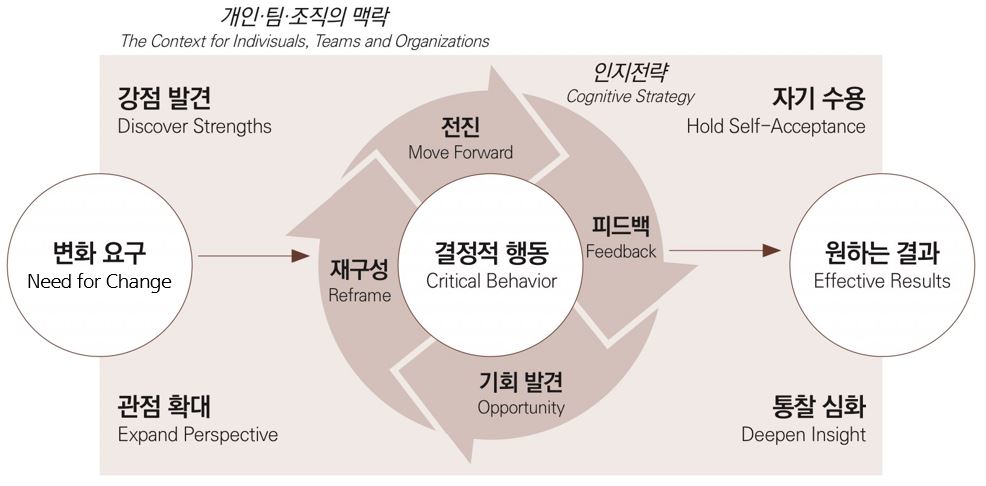
[Figure 2] Effectiveness Coaching Model
2. Integrated Approach to Coaching Design
To maximize organizational effectiveness, it is necessary to objectively measure and diagnose the factors that influence individual, team, and organizational effectiveness, and to develop specific measures for these factors to improve effectiveness. To this end, 'individual coaching and organizational coaching are designed from an integrated perspective'.
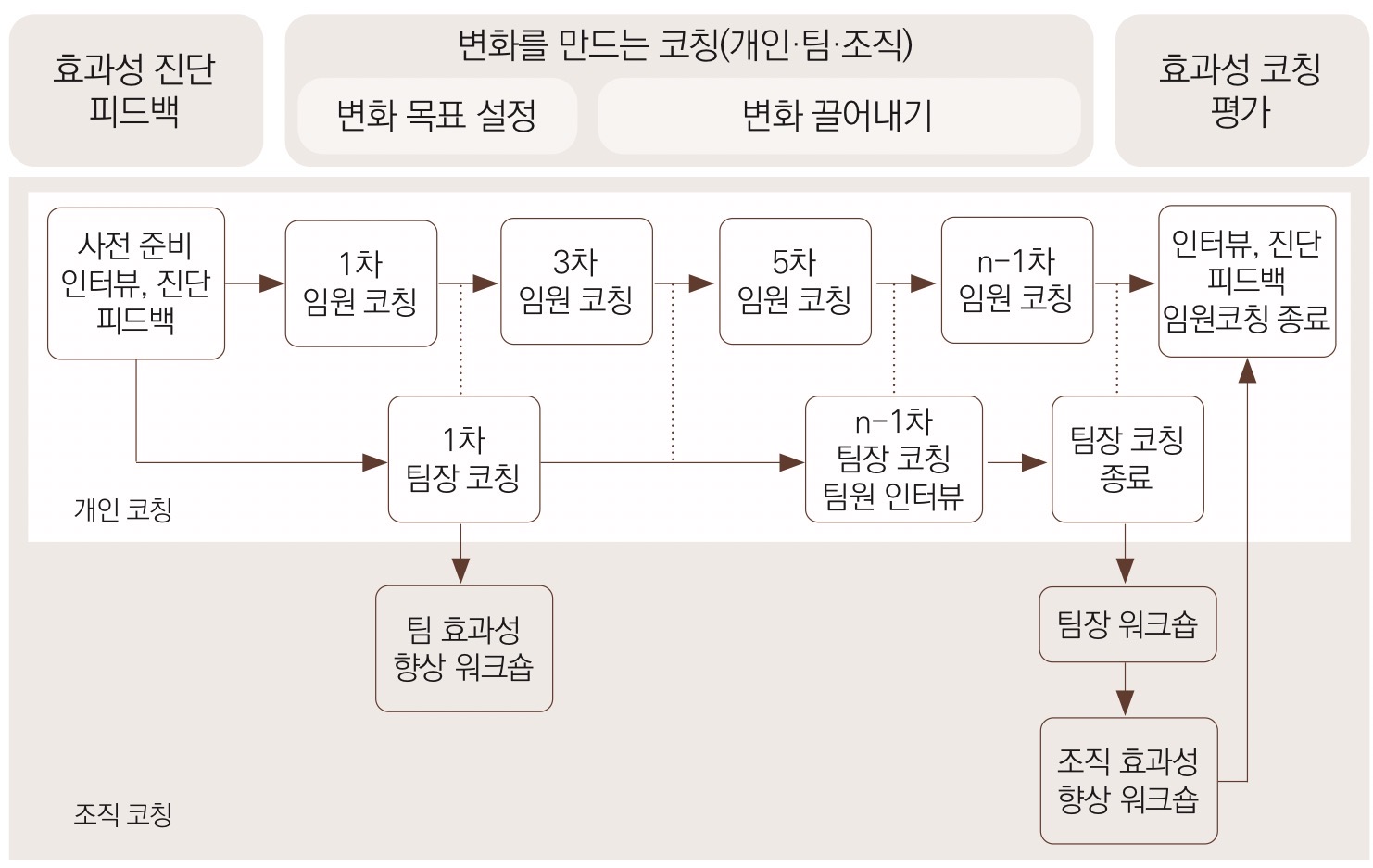
[Figure 3] Integrated Approach to Coaching Design
3. The 3S-FORM Coaching Model for Creating Behavioral Change
How to coach the coachee? In effectiveness coaching, change is created through collaborative coaching. Even if the coach proceeds with coaching according to the FORM coaching process, which draws out behavioral change, for the behavioral change to happen successfully, the coachee must activate the 3S, which drives internal change. When the coach's strategy to bring about change and the coachee's strategy to drive change are successfully carried out through collaboration, the effectiveness of the coaching increases.
Behavioral change that is not accompanied by internal change has a short-term effect. This leads to the negative evaluation that it was only effective during the coaching sessions. The 3S are self-awareness, self-talk, and self-reflection. The 3S are the 'internal growth engine' that drives behavioral change.

[Figure 4] The 3S-FORM Coaching Model for Creating Behavioral Change
4. Effectiveness Diagnostic Tools
Effectiveness coaching uses online diagnostic tools to assess and interlink the effectiveness of each organizational unit. Individual effectiveness is objectively assessed through a multi-rater diagnosis using the 'Effectiveness Leadership Assessment,' teams use the 'Team Effectiveness Assessment,' and organizations use the 'Organizational Effectiveness Assessment' (both Korean and English diagnoses and reports are available).
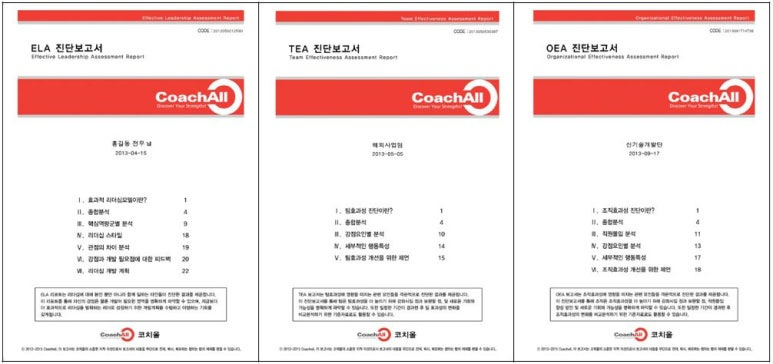
[Figure 5] Effectiveness Diagnostic Tools
5. References
Lee, Sukjae (2006). Develop 18 Core Leadership Competencies. Seoul: Kim & Kim Books.
Lee, Sukjae (2014). Effectiveness Coaching by a Business Psychologist. Seoul: Kim & Kim Books.
Lee, Sukjae (2019). Thought Revolution That Changes My Life. Seoul: Wildbooks.
Lee, Sukjae (2020). Coaching Methodology. Seoul: Korea Coaching Supervision.
Lee, Sukjae (2020). How to Use a Wandering Mind. Seoul: Plan B Design.
Lee, Sukjae (2023). Field-Focused Coaching Psychology. Seoul: Hakjisa.
Lee, Sukjae (2024). Coaching Psychology Class for Boosting Execution. Seoul: Hakjisa.
Lee, Sukjae (2024). Thinking Partner. Gyeonggi: Moa Books.
Lee, Sukjae & Lee, Jongseo (2025). Perspective Shift. Seoul: Parkyoungstory.