
| 일 | 월 | 화 | 수 | 목 | 금 | 토 |
|---|---|---|---|---|---|---|
| 1 | 2 | 3 | ||||
| 4 | 5 | 6 | 7 | 8 | 9 | 10 |
| 11 | 12 | 13 | 14 | 15 | 16 | 17 |
| 18 | 19 | 20 | 21 | 22 | 23 | 24 |
| 25 | 26 | 27 | 28 | 29 | 30 | 31 |
- 3S-FORM Coaching Model과 뇌과학의 결합
- 효과성 코칭 모델
- 코칭 프레임워크
- 관점 코칭
- 원하는 결과
- Coach Sukjae Lee
- Effectiveness Coaching Methodology
- 관점 전환
- 결정적 행동
- Effectiveness Coaching Model
- 현징증심 코칭심리학
- 떠도는 마음 사용법
- 씽킹 파트너
- 3S-FORM Coaching Model
- 코치올
- 생각 파트너 이석재
- 효과성 프레임워크
- 이종서 코치
- 코칭심리학
- 효과성 코칭
- 효과성 코칭 방법론
- thinking partner
- 코칭방법론
- 효과성코칭워크숍
- 실행력을 높이는 코칭심리학 수업
- 경영심리학자의 효과성 코칭
- 증거기반코칭
- 현장중심 코칭심리학
- 코칭심리학 공부방
- Effectiveness Coaching
- Today
- Total
코치올
Effectiveness Coaching: Updates and Trends 본문
Sukjae Lee Ph.D.
Creator of the Effectiveness Coaching Methodology
2025. 12. 7.
As the field of coaching, and specifically "Effectiveness Coaching," is continually evolving.
Based on recent updates, here are the key developments and shifts regarding Effectiveness Coaching (as a specific, branded methodology) and the broader trends in Coaching Effectiveness:
Recent Updates on "Effectiveness Coaching" Methodology (Specific Model)
A refreshed and more explicit articulation of the Effectiveness Coaching Model was published in November 2025. Key updates emphasize:
- Formalization and Distinctiveness: The methodology is now more clearly positioned as a branded, authorial system (not just general good coaching practice) with defined processes, diagnostics, and tools.
- The 3S-FORM Process: The model now strongly emphasizes the conceptual links between a client's need for change, desired results, and critical behaviors.
- Integration of Inner Growth (3S) + Structured Action (FORM):
- Lasting Change: The refreshed writings emphasize that coaching is not just about short-term behavior change; internal change (like self-awareness, self-reflection, and mindset shifts, referred to as the "Inner Growth Engine") is essential for sustainable results.
- Expanded Scope: The methodology is now explicitly being used beyond individual coaching and is reinforced for:
-
- Team Coaching
- Organization-level Coaching
- Leadership Development (a multi-level approach)
- Central Role of Diagnostics: The use of objective, evidence-based diagnostic tools in digital environments (like ELA, TEA, OEA) remains central to the process, facilitating objective assessment before and after coaching.

General Trends in Coaching Effectiveness (Broader Field)
Broader research and meta-analyses on the effectiveness of coaching in general highlight several significant trends:
- Focus on the "Match" over the "Model": Recent insights suggest that the fit (or "match") between the coach and the coachee—in terms of style, needs, and personality—is often a more critical determinant of success than strict adherence to any single coaching model.
- Validated Effectiveness: Multiple recent meta-analyses (from 2023-2025) strongly confirm that workplace coaching is an effective intervention for improving individual performance, goal attainment, engagement, and psychological well-being (e.g., self-efficacy, resilience, reduced burnout).
- E-Coaching/Virtual Coaching: The shift to technology-based delivery, accelerated by the pandemic, has been studied extensively. Research indicates that virtual coaching is as effective as face-to-face coaching, offering accessible and cost-effective modalities.
- Client-Centric Outcomes: There is an increased push in research to take a more client-centric view, specifically measuring and reporting whether outcomes were consistent with the client's original goals and desires.
- Key Determinants of Success: Post-pandemic reviews on executive coaching effectiveness identify six main contributing factors: coach characteristics, coachee aspects, the quality of the coach-coachee relationship, coaching approaches, organizational role, and the use of technical tools.

Let's take a deeper dive into the Inner Growth Engine (3S-FORM model) of Effectiveness Coaching and the diagnostic tools used. The 3S-FORM Model is the core of the Effectiveness Coaching methodology, distinguishing it by explicitly separating the client's internal work from the coach's process structure. It effectively integrates the need for internal growth (3S) with a structured path to results (FORM).
The model is divided into two distinct but interconnected components:
- 3S: The Inner Growth Engine (Coachee's Role)
- FORM: The Coaching Process Structure (Coach's Role)
The Inner Growth Engine: The 3S (Coachee's Role)
The "3S" are the internal cognitive and emotional processes the client (coachee) must activate and manage to drive sustainable, long-term change. This is the Inner Growth Engine responsible for transforming simple awareness into meaningful insight and lasting action.
| Component | Description | Role in Change |
| 1. Self-Awareness | Objectively recognizing one's current state, including behaviors, emotions, thought patterns, and the impact they have on others and results. | Clarifies Reality: Helps the coachee see the 'critical behavior' that prevents 'effective results.' |
| 2. Self-Talk | The internal dialogue and beliefs a person holds about themselves, their potential, and the situation. This often involves identifying and challenging limiting beliefs. | Manages Mindset: Replaces self-defeating narratives with empowering and constructive self-statements, reinforcing commitment. |
| 3. Self-Reflection | The deliberate process of reviewing experiences, comparing current actions to desired outcomes, and learning from successes and failures. | Sustains Learning: Develops the client's ability to be their own coach, ensuring growth continues autonomously after the engagement ends. |
Connection to the ABC Framework
The 3S process is often applied after conducting an ABC (Antecedent-Behavior-Consequence) analysis. The 3S helps the client change the Behavior (B) by influencing their internal thoughts and beliefs regarding the Antecedent (A) (trigger) and the desired Consequence (C) (effective result).
The Coaching Process: FORM (Coach's Role)
The "FORM" is a structured, four-step process the coach uses to facilitate the conversation, ensure clarity, manage progress, and guide the coachee toward tangible results. This structure provides the external scaffolding for the client's internal 3S work.
| Stage | Process/Focus | Coach Action (What the Coach Facilitates) |
| F: Feedback | Exploring the current reality and the gap between the desired results and the actual outcomes. | Helps the client accept and process objective data (often from diagnostic tools) to define the specific Need for Change and the Critical Behavior. |
| O: Opportunity | Shifting the client's perspective from the 'problem' to the 'potential' and cultivating a growth-oriented mindset. | Frames challenges as opportunities for growth and helps the client broaden their range of possible solutions and actions. |
| R: Reframe | Challenging the client's assumptions and beliefs (often the negative Self-Talk from the 3S) to uncover new pathways to action. | Guides the client to shift perspective, establish new, effective beliefs, and commit to necessary behavioral changes. |
| M: Move Forward |
Defining concrete actions, anticipating obstacles, and securing commitment for execution. | Supports the client in creating a detailed action plan, monitoring progress, and reinforcing successful behavioral patterns for Effective Results. |
The power of the 3S-FORM model is its integration: The coach's structured FORM process constantly prompts and challenges the client to engage their 3S Inner Growth Engine, ensuring the resulting actions are internally motivated and therefore more likely to be sustained.
Let's take a look at an example of how the ABC Framework is used at the beginning of the FORM process to identify the specific behavior that needs coaching. It's a very insightful question about the ordering of the FORM model (Feedback, Opportunity, Reframe, Move Forward).
You are correct that some coaching models (like the popular GROW model) structure their steps differently, often moving directly from Goal/Reality to Options. However, in the Effectiveness Coaching 3S-FORM model, O (Opportunity) is deliberately placed as the second step, immediately following F (Feedback), and before R (Reframe).
Here is the reasoning for this specific ordering:
Why O (Opportunity) is the Second Step
The primary goal of the Opportunity (O) step is to transition the client's mindset from being focused on the negative Consequences of the Critical Behavior (identified in F) to focusing on the positive potential of change.
1. The Mindset Shift is Necessary Before the Belief Shift
- F (Feedback): This step can be difficult, as the client confronts objective data about their ineffective behavior (e.g., "I yell, and it damages the team"). This can trigger defensiveness or discouragement.
- O (Opportunity): Placing O here helps the client pause their emotional reaction and adopt a growth mindset. The coach helps the client see the challenge not as a failure, but as a rich area for development. The focus shifts from "Why did I do this?" (past) to "What great results could be achieved if I changed?" (future potential).
2. Opportunity Precedes Reframe
The Reframe (R) step involves deeply challenging and changing a limiting belief (Self-Talk), which is an internal, difficult process.
- You can't effectively challenge a belief until the client is motivated and open to change. The Opportunity step provides this necessary motivation and willingness.
- If the coach jumps directly from F (Feedback) to R (Reframe), the client might feel attacked or judged, making them cling tighter to their old belief.
- The sequence creates a funnel:
- F defines the Problem.
- O defines the Potential (a positive vision).
- R provides the Mental Tool (new belief) required to bridge the problem and the potential.
Analogy
Think of it like renovating a house:
- F (Feedback): The inspection report shows the foundation is cracked. (Problem)
- O (Opportunity): You look at blueprints for a beautiful, modern house built on the new foundation. (Potential/Motivation)
- R (Reframe): You change the belief from "This house is a money pit" to "This house is a perfect platform for a grand future." (The inner shift that allows you to start digging).
By placing O second, Effectiveness Coaching ensures the client has a positive vision and the emotional readiness to tackle the hard internal work of the Reframe (R) step that follows.
That's where the 3S-FORM model really delivers its impact!
The Reframe (R) step in the FORM process is the critical moment where the coach directly helps the client change their Self-Talk (one of the 3S), transforming a limiting belief into an empowering one. This shift in perspective is essential for the client to commit to new actions without feeling resistance or dread.
The Reframe (R) Step and Challenging Self-Talk (3S)
Using our previous example of the frustrated manager who yells when reports have errors:
1. Identify the Limiting Self-Talk
During the Feedback (F) and Opportunity (O) stages, the coach uses open-ended questions to uncover the internal belief (Self-Talk) that drives the critical behavior (yelling).
- Manager's Limiting Belief (Self-Talk): "I have to yell to get things done right. If I don't micromanage and enforce strict discipline, the quality will drop, and I will be held responsible." (This is a belief rooted in fear and control.)
- The Unhelpful Behavior: Yelling (B).
- The Negative Consequence: Demoralized team, no real quality improvement (C).
2. The Reframe Technique
The coach's role in the Reframe (R) step is to challenge the manager's foundational assumption (the Self-Talk) and offer an alternative, more productive interpretation of the situation.
| Aspect | Limiting Belief (Old Self-Talk) | Reframe (New Self-Talk/Belief) |
| Control | "I must control every detail to ensure quality." | "My role is to build a system where the team controls quality. Trusting them is not an abdication of responsibility; it's an investment in their development." |
| Cause of Errors | "The team is incompetent or lazy." | "Errors are a symptom of a process failure or a lack of clear training/tools. My reaction should be curiosity, not criticism." |
| Reaction | "Yelling is the fastest way to fix this now." | "Calm problem-solving is the fastest way to prevent this from happening next time. My energy should be focused on the Antecedent (A), not just reacting to the Behavior (B)." |
3. Securing the Commitment (The 3S in Action)
The Reframe is successful when the manager internalizes the new belief, activating their Self-Reflection (the third S).
- Coach's Question: "If your role is to build the system for quality, what new behavior would you demonstrate the next time a report with errors lands on your desk?"
- Manager's New Behavior Commitment (Leading to M - Move Forward): "Instead of yelling, I will schedule a 15-minute meeting to calmly review the report with the team member and identify where in the process the error occurred."
This reframe shifts the manager's identity from a fearful enforcer to an effective problem-solver, making the behavioral commitment in the final Move Forward (M) step feel natural and sustainable.
It's time to explore the final step, Move Forward (M), and the specific planning tools used to ensure the new behavior sticks. The final step, Move Forward (M), is where the rubber meets the road. It ensures the new belief (Reframe) translates into concrete, repeatable, and sustainable Effective Results.
This step closes the loop by turning the abstract internal change (3S) into a structured, external plan.
The Final Step: Move Forward (M)
The Move Forward (M) stage focuses on accountability, action planning, and reinforcing the new behavior until it becomes automatic. The coach helps the client create a detailed plan that anticipates challenges and clearly defines success.
1. Concrete Action Planning (The New Behavior)
Building on the Reframe, the coach and manager define the exact behavior they will implement next time the Antecedent (A) (a report with errors) occurs.
- Specific Action: "The next time I receive a report with errors before a deadline, I will pause, take three deep breaths, and immediately send a calendar invite for a 'Process Review Session' instead of replying to the email."
- Measurement: This action is measurable (Did the manager send the invite or yell?) and time-bound (Within 5 minutes of seeing the error).
2. Anticipating Obstacles (Self-Reflection in Action)
The coach guides the manager to use Self-Reflection (3S) to predict where they might fail and create an if-then plan.
- Obstacle: "I know I will fail when I'm under extreme time pressure and my stress levels are high."
- If-Then Plan: "If my stress level is high, then I will physically walk away from my desk and grab a glass of water before looking at the email again." (This is a pre-planned, non-yelling behavior to interrupt the old pattern.)
3. Securing Accountability and Reinforcement (Effective Results)
The coach establishes mechanisms to track the new behavior, focusing on the immediate positive consequence of the new action.
- Accountability: The manager commits to tracking the number of times they successfully implemented the new 'Process Review Session' instead of yelling.
- Reinforcement: The focus shifts from the original negative consequence (demoralized team) to the new Effective Result—a more detailed understanding of the process error, a more positive team dynamic, and improved long-term quality. This positive consequence reinforces the new behavior, making the manager more likely to repeat it.
The Full Cycle
The Move Forward (M) step ensures the new, effective behavior creates a new, positive Consequence (C), which then reinforces the new Self-Talk and completes the cycle of growth. The manager's Self-Reflection continues after the coaching is complete, allowing them to iterate and improve their behavior autonomously.
The ultimate goal of Effectiveness Coaching is to install this complete 3S-FORM-ABC cycle within the coachee, making them self-sufficient.
References
Lee, Sukjae (2006). Develop 18 Core Leadership Competencies. Seoul: Kim & Kim Books.
Lee, Sukjae (2014). Effectiveness Coaching by a Business Psychologist. Seoul: Kim & Kim Books.
Lee, Sukjae (2019). Thought Revolution That Changes My Life. Seoul: Wildbooks.
Lee, Sukjae (2020). Coaching Methodology. Seoul: Korea Coaching Supervision.
Lee, Sukjae (2020). How to Use a Wandering Mind. Seoul: Plan B Design.
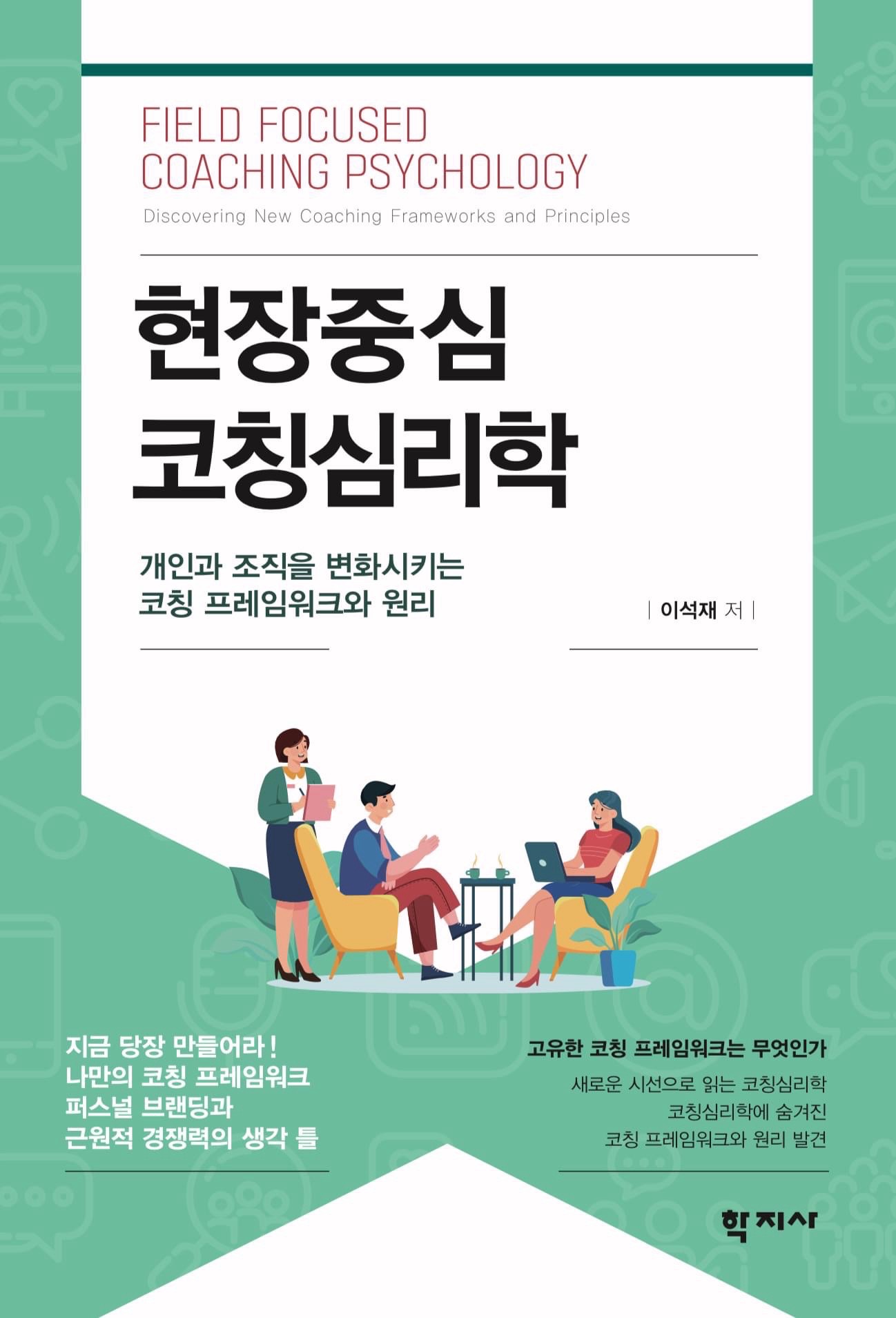
Lee, Sukjae (2023). Field-Focused Coaching Psychology. Seoul: Hakjisa.
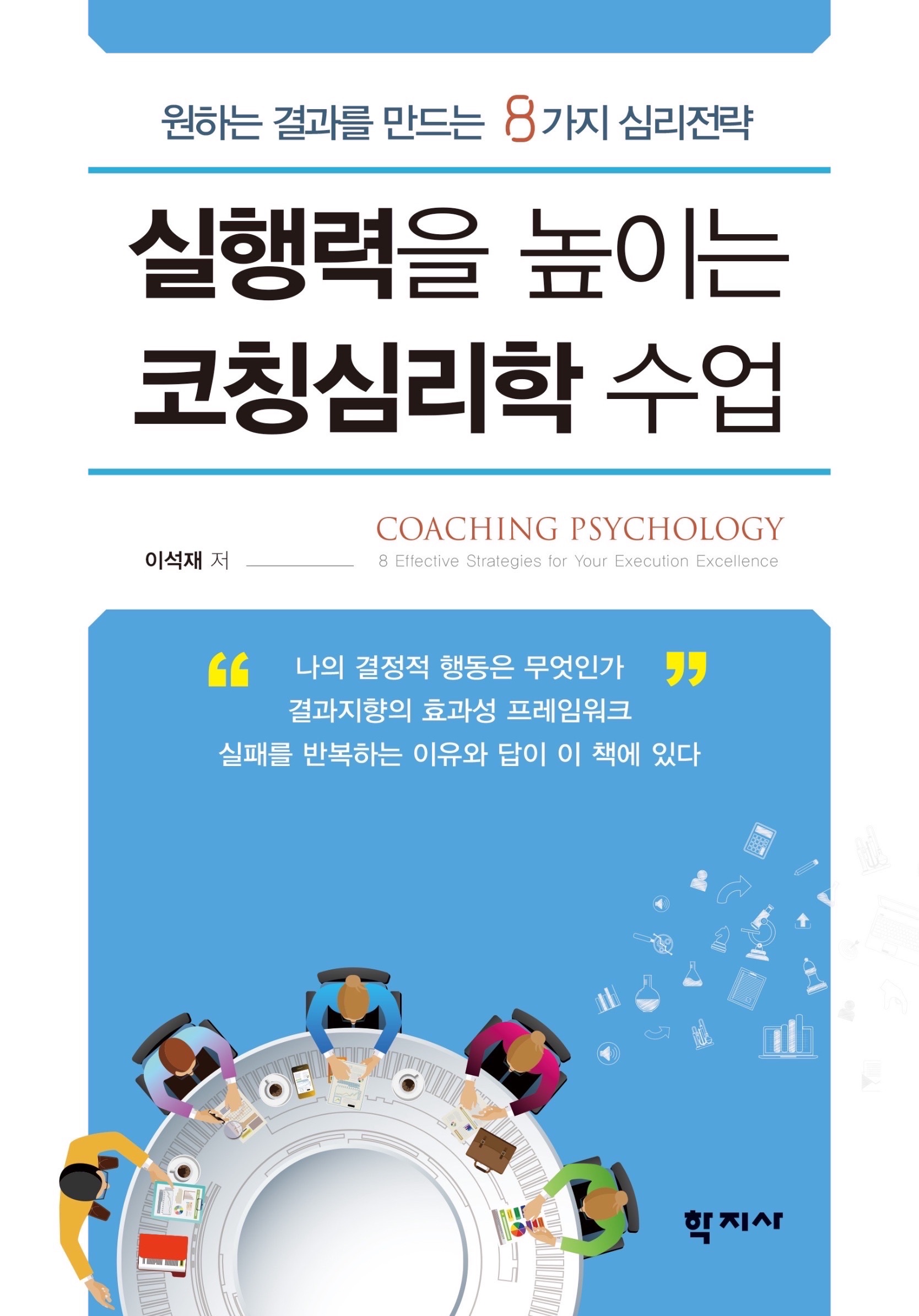
Lee, Sukjae (2024). Coaching Psychology Class for Boosting Execution. Seoul: Hakjisa.
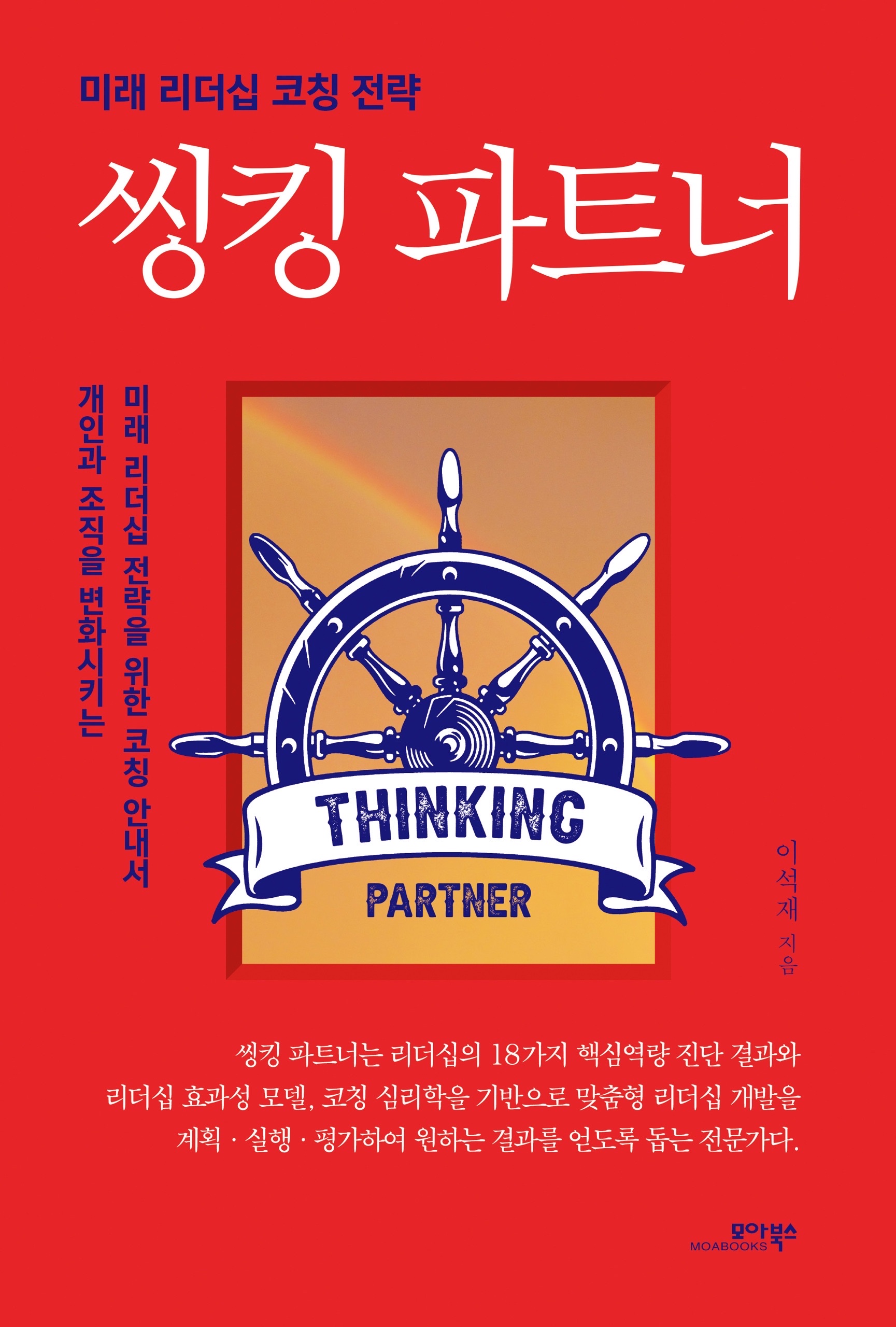
Lee, Sukjae (2024). Thinking Partner. Gyeonggi: Moa Books.
Lee, Sukjae & Lee, Jongseo (2025). Perspective Shifting. Seoul: Parkyoungstory.
 |
 |
 |
 |
 |
 |
'3. 코칭심리연구 > 코칭심리 탐구' 카테고리의 다른 글
| How ELA develops your Self-awareness? (0) | 2025.12.08 |
|---|---|
| Effectiveness Coaching: Individual Coaching vs Team Coaching (0) | 2025.12.07 |
| Perspective Shifting and Psychology within Effectiveness Coaching (0) | 2025.12.07 |
| The 6-Step Process for Completing Perspective Transformation (1) | 2025.12.07 |
| 북토크를 마치고 (0) | 2025.12.07 |


