강점기반 효과성 코칭
Sukjae Lee Ph.D.
Creator of the Effectiveness Coaching Methodology
2025. 12. 10.
Summary of Strength-Based Effectiveness Coaching
The attached text is the foreword to a book on Effectiveness Coaching by Sukjae Lee, a corporate coach and management psychologist. The book introduces a new coaching methodology developed over 13 years of experience (Lee, S., 2014).
I. Core Philosophy and Goal
- Origin: The author began coaching activities 23 years prior after diagnosing leadership at several major Korean companies, including Samsung Electronics, Hyundai Mortor, LG Electronics. He participated as an external professional coach for over seven years to nurture core talents.
- Goal: The primary goal of Effectiveness Coaching is to create desired results through individual and organizational change and to enhance effectiveness, which is defined as the degree of achieving desired results.
- Focus: It is based on a strength-based approach. To achieve desired results, it emphasizes the balanced management of Productivity Factors and Positivity Factors, which are both strength factors.
- Scope: The author advocates for expanding the use of coaching beyond individual leadership development to a solution that leads to change and development for teams and organizations.
II. Key Models and Tools
The book introduces two main coaching models and supporting diagnostic tools:
1. Strength-Based Effectiveness Model (Fundamental Framework)
- This model is the basic framework of Effectiveness Coaching.
- It is composed of a logical relationship: Influencing Factors -> Critical Behaviors for Desired Results -> Desired Results(called "Effective Results").
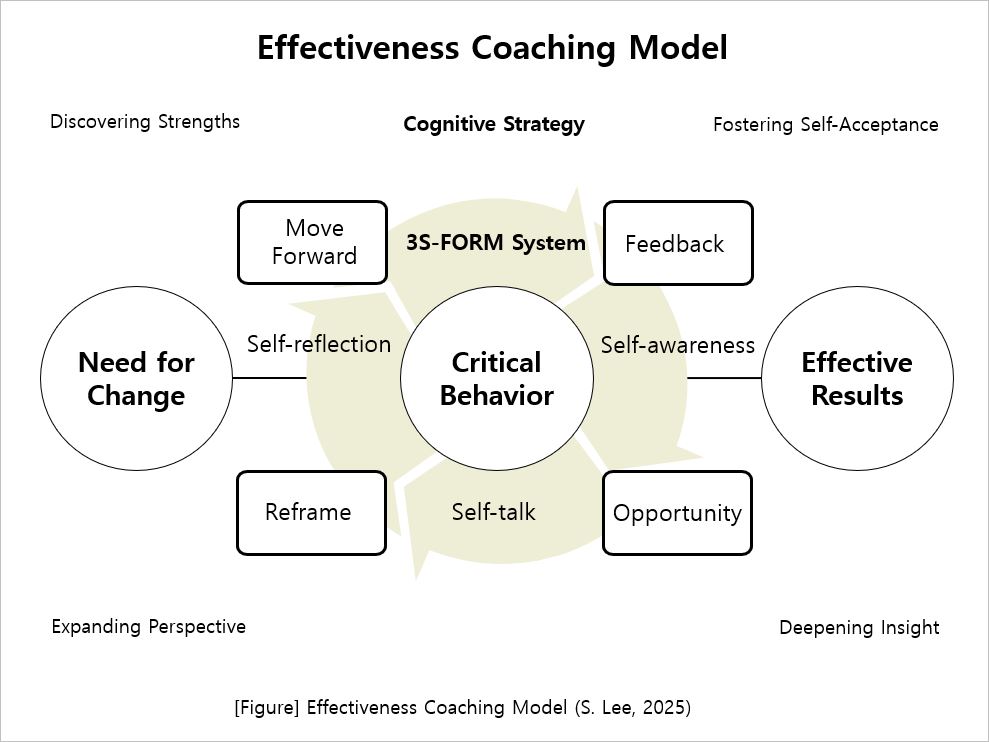
2. 3S-FORM Coaching Model (Individual Change)
- A 4-stage model for bringing about individual change, developed based on psychology theories, field experience (over 2,500 hours), and literature review.
- 4 Stages: Feedback, Opportunity Discovery, Reframe, and Forward Movement (FORM).
- 3 Psychological Change Principles (3S): Self-Awareness, Self-Talk, and Self-Reflection (a cyclical process).
3. Diagnostic Tools (Diagnosis-Based Coaching)
The coaching is diagnosis-based. Three multi-rater, online tools were developed to objectively measure effectiveness factors and analyze the path to desired results:
- Effective Leadership Assessment (Individual Effectiveness): Focuses on leadership competencies: cognitive, interpersonal, and strategic management.
- Team Effectiveness Assessment.
- Organizational Effectiveness Assessment.
III. Structure of the Book
The book is organized into three parts:
| Part | Focus | Key Topics |
| Part 1 | Introduction to Effectiveness Coaching | Strength-Based Effectiveness Model, 3S-FORM Model, and coaching cases. |
| Part 2 | Coaching Methods for Effectiveness | Coaching design, models, and skills for: Individual Effectiveness (Leadership), Team Effectiveness (Individual Contributor to Team Contributor), and Organizational Effectiveness (Strategy Execution through Employee Engagement). |
| Part 3 | Coaching Skill Tools | Techniques and tools for finding change points, overcoming self-limitations, and driving behavioral change. |
IV. Importance of Coaching Design
- Impact: A leader's behavioral changes influence stakeholders, the team, and company business performance.
- Systemic View: Coaching design must be viewed from a systemic organizational perspective, not just individual needs.
- Process: Design involves setting clear goals, establishing detailed procedures and methods, and evaluating the coaching effect. The author utilizes his background in experimental and quasi-experimental design/social science research methodology to develop coaching designs.
V. Detailed Explanation of the Strength-Based Effectiveness Model
The Strength-Based Effectiveness Model is the fundamental framework of Effectiveness Coaching introduced by Sukjae Lee. It provides the logical structure for how coaching achieves its ultimate goal: enhancing effectiveness.
1. Purpose and Definition of Effectiveness
The primary purpose of coaching, within this context, is to raise effectiveness through individual and organizational change3.
- Effectiveness is defined as the degree to which desired results are achieved.
- To achieve these desired results, the model emphasizes the need to manage factors that positively influence effectiveness in a balanced way.
2. Logical Structure of the Model
The Strength-Based Effectiveness Model is structured by a clear, logical relationship with three main components:
- Influencing Factors
- Critical Behaviors for Desired Results
- Desired Results
3. The Two Core Influencing Factors (Strengths)
The model is Strength-Based because the factors influencing effectiveness are considered strength factors. These factors are key leverage points that must be managed to obtain desired results.
| Factor | Description | Role in Achieving Results |
| 1. Productivity Factors |
Factors related to creating the desired results. | Focus on the output, efficiency, and direct creation of results. |
| 2. Positivity Factors |
Factors that constitute an appropriate culture and environment for creating those results. | Focus on the psychological climate, engagement, and enabling environment. |
The core idea is that both the direct output factors and the supporting environmental factors (culture, engagement) must be managed in a balanced way to sustainably achieve effectiveness.
4. Application in Coaching
The model guides the coaching process by connecting diagnosis with targeted action:
- Diagnosis: Tools like the Effective Leadership Assessment, Team Effectiveness Assessment, and Organizational Effectiveness Assessment are used to objectively measure the Influencing Factors.
- Action: The analysis of the logical relationship between the influencing factors and the desired results leads to the derivation of the Critical Behaviors for Desired Results. These critical behaviors are the specific thoughts and actions that coaching must focus on to create the desired outcome.
- Outcome: By changing these critical behaviors, the coaching aims to successfully achieve the Desired Results and increase individual, team, and organizational effectiveness.
This logical framework supports the book's larger focus on integrated coaching to enhance individual, team, and organizational effectiveness.
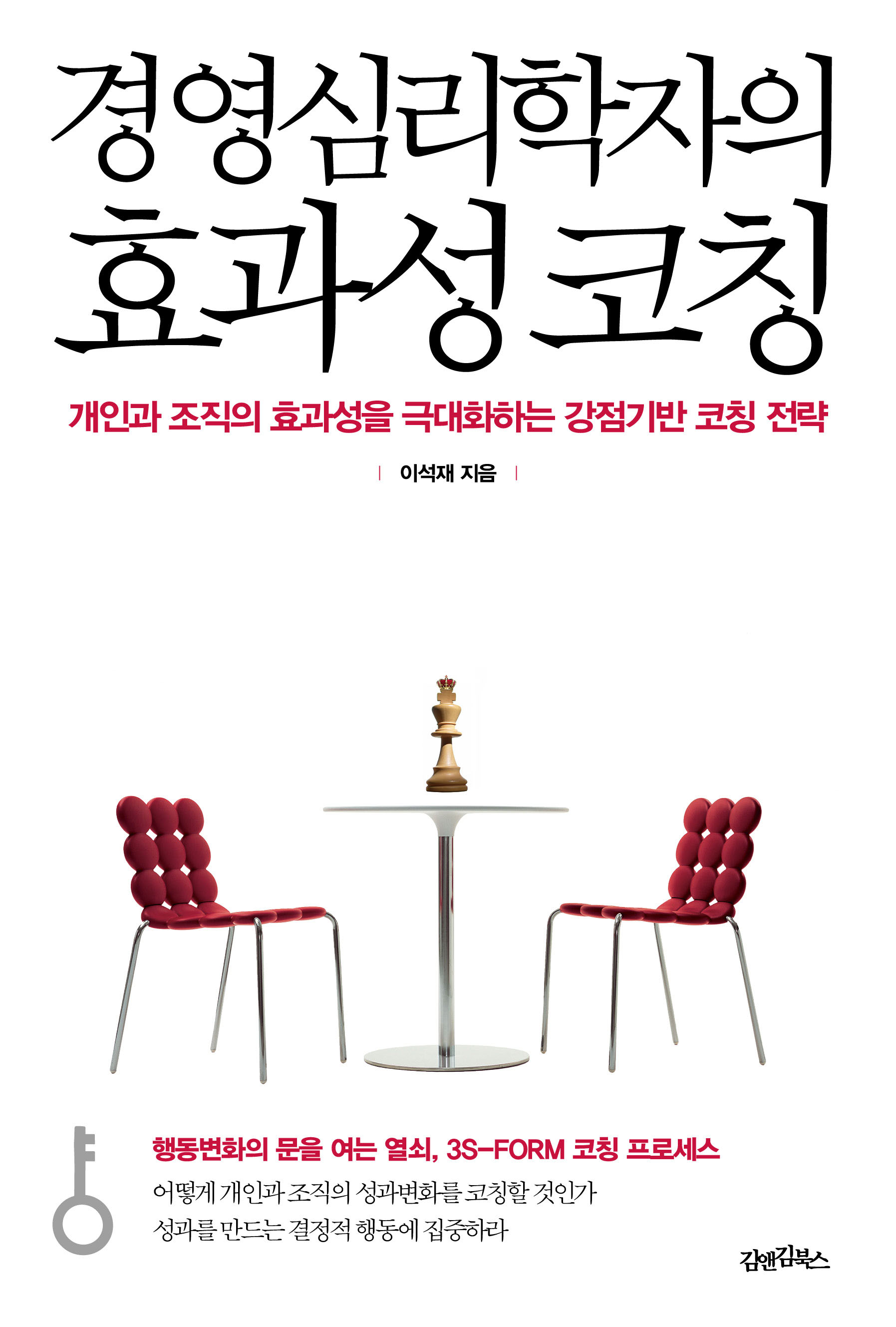
Source: Lee, Sukjae (2014). Management Psychologist's Effectiveness Coaching. Seoul: Kim & Kim Books.
 |
References
Lee, Sukjae (2006). Develop 18 Core Leadership Competencies. Seoul: Kim & Kim Books.
Lee, Sukjae (2014). Effectiveness Coaching by a Business Psychologist. Seoul: Kim & Kim Books.
Lee, Sukjae (2019). Thought Revolution That Changes My Life. Seoul: Wildbooks.
Lee, Sukjae (2020). Coaching Methodology. Seoul: Korea Coaching Supervision.
Lee, Sukjae (2020). How to Use a Wandering Mind. Seoul: Plan B Design.
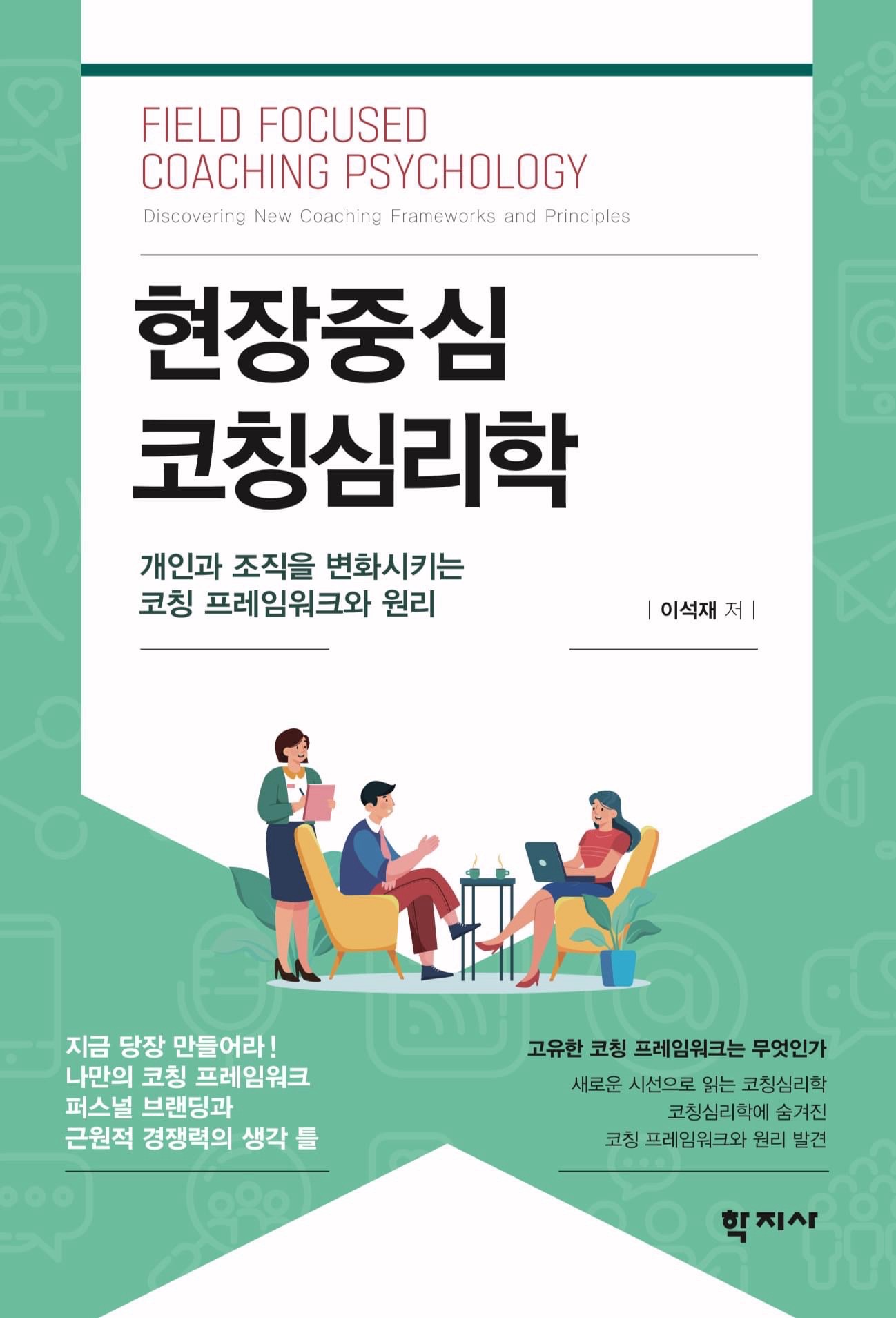
Lee, Sukjae (2023). Field-Focused Coaching Psychology. Seoul: Hakjisa.
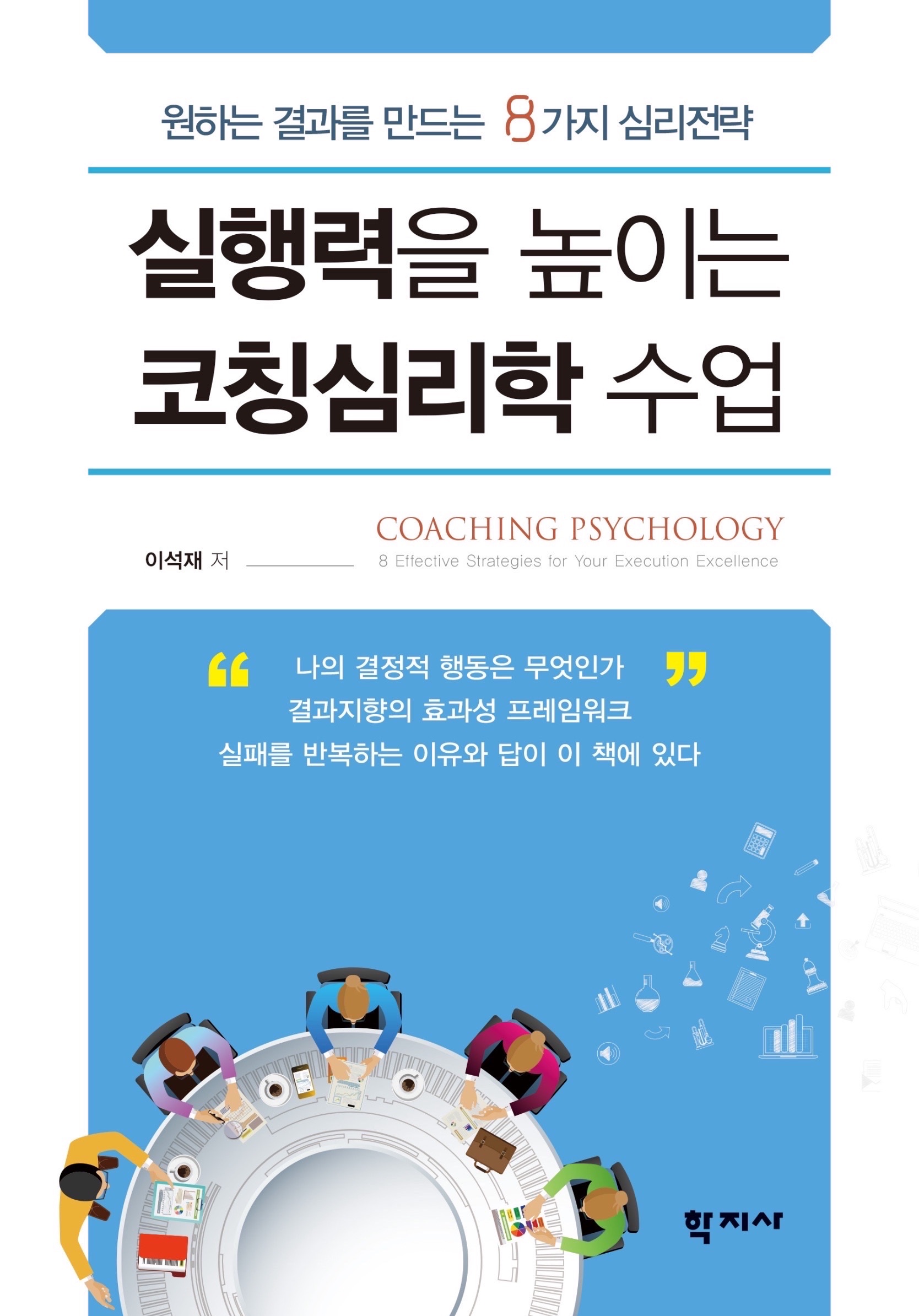
Lee, Sukjae (2024). Coaching Psychology Class for Boosting Execution. Seoul: Hakjisa.
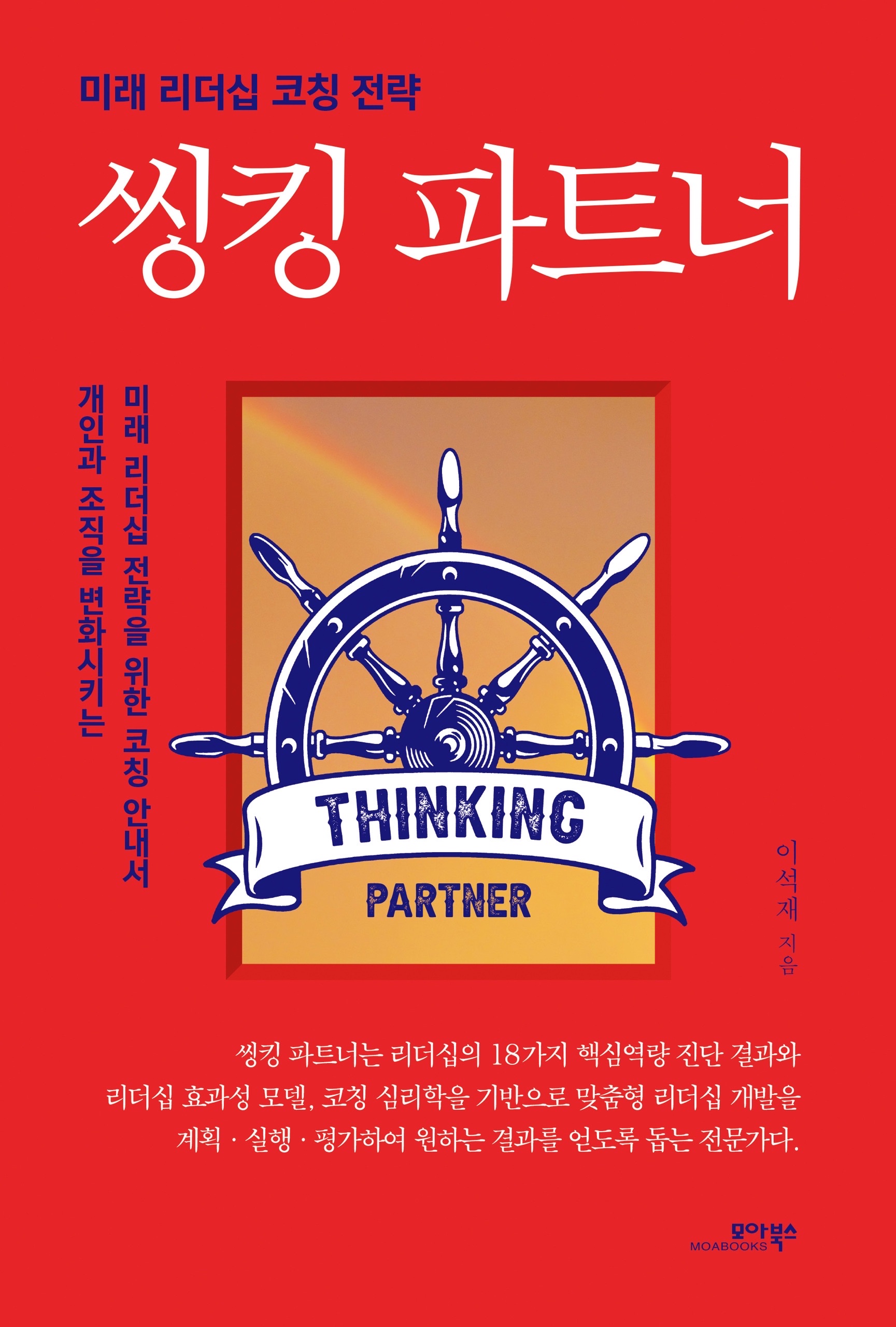
Lee, Sukjae (2024). Thinking Partner. Gyeonggi: Moa Books.
Lee, Sukjae & Lee, Jongseo (2025). Perspective Shifting. Seoul: Parkyoungstory.
참고 문헌
이석재 (2006). 18가지 리더십 핵심역량을 개발하라. 서울: 김앤김북스.
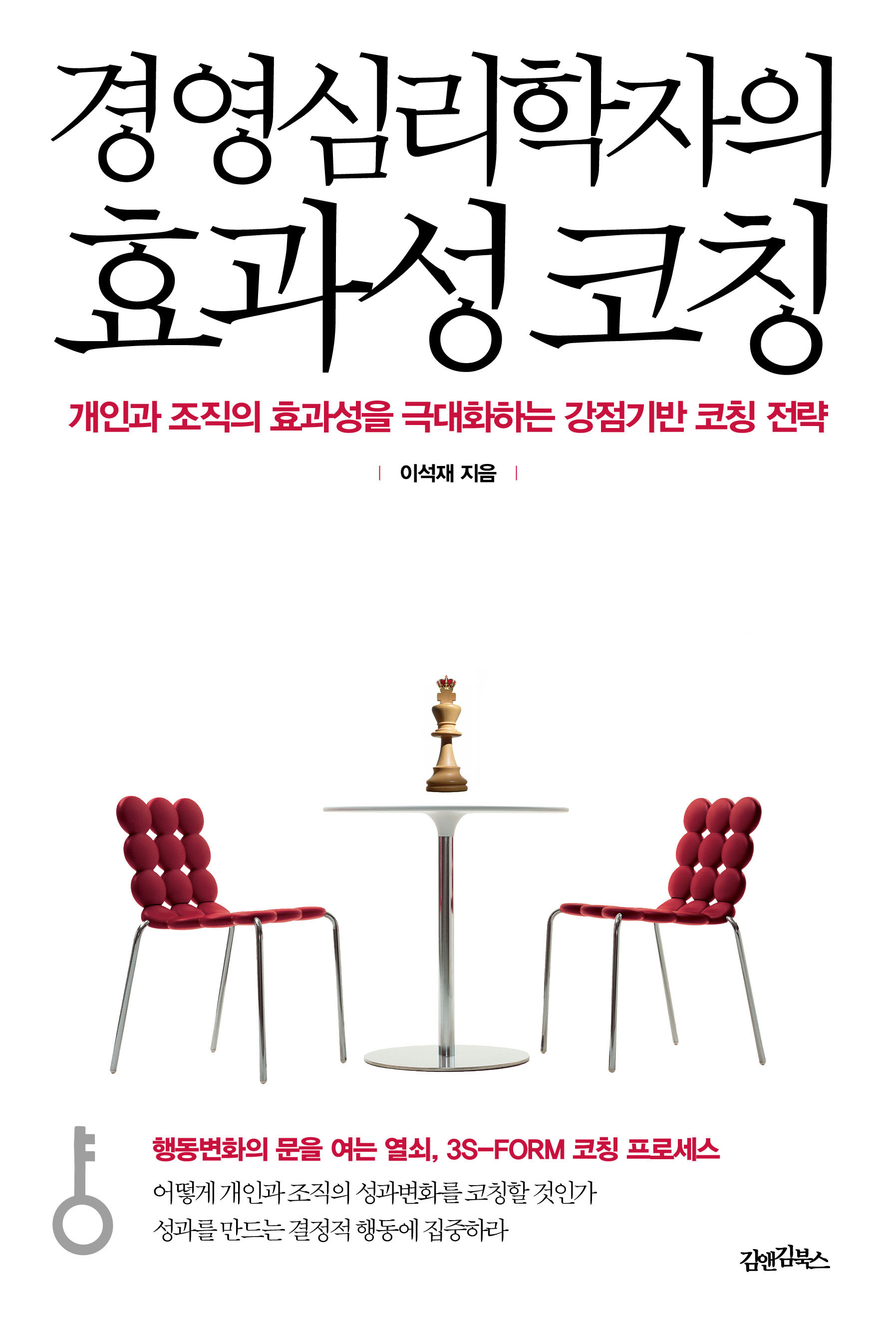
이석재 (2014). 경영심리학자의 효과성 코칭. 서울: 김앤김북스.
이석재 (2019). 내 삶을 바꾸는 생각 혁명. 서울: 와일드북.
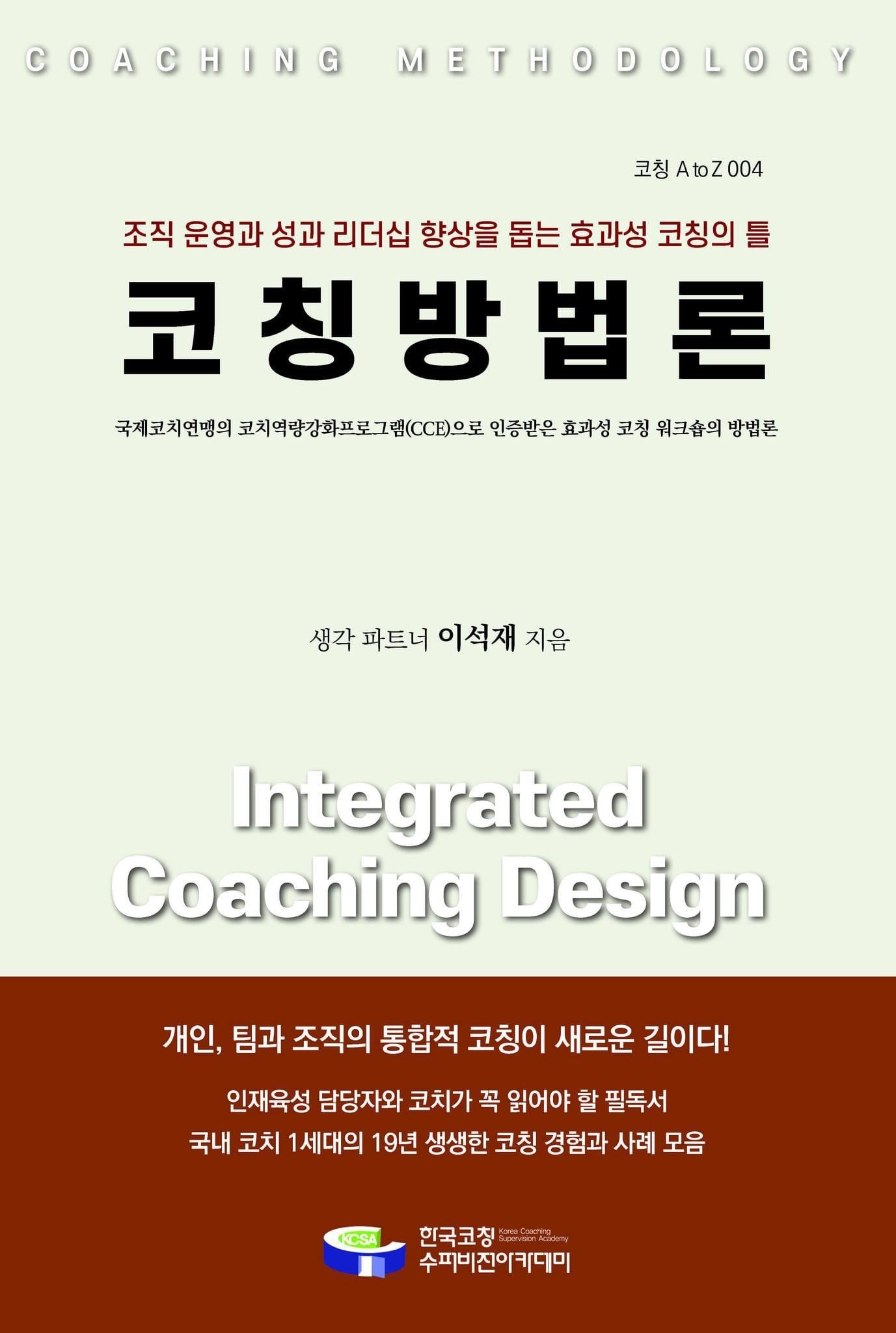
이석재 (2020). 코칭방법론. 서울: 한국코칭수퍼비전.
이석재 (2020). 떠도는 마음 사용법. 서울: 플랜비디자인.
이석재 (2023). 현장중심 코칭심리학. 서울: 학지사.
이석재 (2024). 실행력을 높이는 코칭심리학 수업. 서울: 학지사.
이석재 (2024). 씽킹 파트너. 경기: 모아북스.
이석재.이종서 (2025). 관점 전환. 서울: 박영스토리.
 |
 |
 |
 |
 |
 |