The ABC Framework in the Effectiveness Coaching
Sukjae Lee Ph.D.
Creator of the Effectiveness Coaching Methodology
2025. 12. 9.
The ABC Framework in the context of Effectiveness Coaching (the methodology developed by Dr. Sukjae Lee) is a key behavioral science tool used to analyze and modify specific, recurring behaviors.
It helps the coach and coachee break down a problematic behavior into its components to identify where intervention is needed to achieve a more effective result.
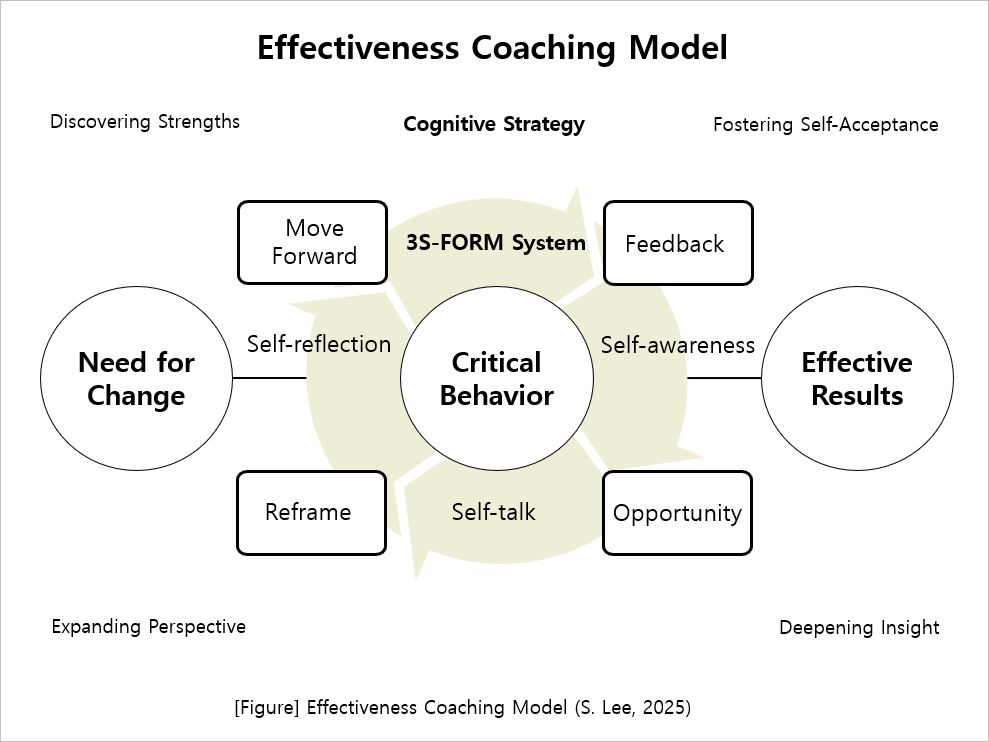
I. The ABC Components
Unlike the cognitive version (from REBT/CBT), the Effectiveness Coaching ABC Framework is primarily behavioral, focusing on the external sequence of events.
- A: Antecedent (Trigger / Need for Change)
- This is the stimulus or situation that occurs before the behavior and triggers it.
- Focus: Identifying the specific environmental, social, or internal triggers (e.g., a deadline, a certain colleague, or feeling stressed).
- B: Behavior (Critical Behavior)
- This is the specific, observable action the coachee takes in response to the Antecedent. This is the behavior targeted for change.
- Focus: Describing the action objectively (e.g., "yelling at the team," "procrastinating on the report," or "checking email every two minutes").
- C: Consequence (Effective Results)
- This is the immediate or delayed result that follows the Behavior. The consequence is what reinforces or discourages the behavior from happening again.
- Focus: Analyzing the results, which can be positive (rewarding) or negative (punishing), and how they maintain the current behavior pattern.
II. Application in Effectiveness Coaching
The framework is used as a diagnostic tool, often at the start of the FORM process, to identify the specific behavior (B) that needs to be addressed.
The core principle is: To change the Consequence (C) (e.g., ineffective results), the coachee must strategically alter the Antecedent (A) or the Behavior (B).
- Modify the Antecedent (A): Change the environment or how the coachee responds to the trigger (e.g., putting a phone in another room to prevent distraction).
- Modify the Behavior (B): Substitute the undesirable behavior with a new, more effective one (e.g., replacing "yelling" with "pausing and asking an open question").
- Manage the Consequence (C): Ensure the new, desired behavior is followed by a positive consequence (reinforcement) to make it stick.
This framework is linked to the 3S-FORM Model, as the coachee uses their 3S (Self-awareness, Self-talk, Self-reflection) to successfully alter their Behavior (B) within the coach's FORM structure.
Now Let's see how a coach might use the ABC Framework to analyze a coachee's challenge. That's an excellent way to solidify your understanding. Here is a brief, practical example of how a coach might use the ABC Framework in Effectiveness Coaching to analyze a coachee's challenge related to procrastination.
III. ABC Framework Example: Procrastination
Coachee's Goal
The coachee wants to stop procrastinating on important reports and start submitting them on time.
| Component | Description | Example | Analysis/Intervention Focus |
| A: Antecedent | The specific trigger that occurs before the behavior. | The coachee opens their laptop and sees the email notification reminding them of the upcoming report deadline. | Intervention on A: The coach may suggest changing the environment, such as turning off email notifications or blocking the first hour of work for the report only (a specific task). |
| B: Behavior | The specific, observable action that follows the trigger. | The coachee opens a social media tab and spends the next 45 minutes scrolling instead of starting the report. | Intervention on B: The coach encourages replacing the procrastination behavior with a new, simple start-up behavior (e.g., "Write just three bullet points for the report"). |
| C: Consequence | The immediate result that reinforces the behavior. | Immediate (Positive): The coachee gets a temporary feeling of distraction and relief from the stress of the report. Delayed (Negative): The coachee feels guilt, has to rush the report later, and submits a lower-quality product. | Intervention on C: The coach helps the coachee increase the immediate positive consequence for the desired behavior (e.g., a 5-minute break after 30 minutes of focused work) to overpower the immediate relief of procrastination. |
Key Insight
The coach and coachee realize that the immediate relief gained from the procrastination behavior (C) is powerful enough to maintain the ineffective Behavior (B), despite the long-term negative consequences. The coaching intervention must focus on changing the Antecedent (A) or creating a stronger, immediate positive Consequence (C) for the desired action.
A brief summary of how the 3S-FORM and ABC models might be used together in a single coaching process looks as follow: Understanding how the models interact is key to mastering Effectiveness Coaching. Here is a brief summary of how the behavioral ABC Framework and the overall 3S-FORM Model are integrated into a single coaching process:
IV. Integrating ABC and 3S-FORM
The ABC Framework serves as a specialized diagnostic tool used within the broader 3S-FORM structure.
| Model | Role in the Process | When It's Used | Key Connection Point |
| ABC (Antecedent, Behavior, Consequence) | Diagnosis & Specific Action Focus. It identifies the precise, recurring behavioral pattern (the target B) that is causing ineffective results (the unwanted C) and pinpoints the trigger (A). |
Primarily during the "Feedback" (F) and "Opportunity" (O) stages of FORM. | The ABC analysis provides the specific content (the behavior to change) that the FORM process will address. |
| 3S-FORM | Structure & Sustainability. FORM provides the coach with the systematic steps to guide the coachee from problem identification to action and reflection. 3S ensures the coachee does the internal cognitive work for lasting change. |
Throughout the entire coaching relationship, providing the context for the ABC analysis. | The 3S (Self-awareness, Self-reflection) is crucial for the coachee to honestly identify their A, B, and C and successfully implement the new behaviors decided in FORM. |
References
Lee, Sukjae (2006). Develop 18 Core Leadership Competencies. Seoul: Kim & Kim Books.
Lee, Sukjae (2014). Effectiveness Coaching by a Business Psychologist. Seoul: Kim & Kim Books.
Lee, Sukjae (2019). Thought Revolution That Changes My Life. Seoul: Wildbooks.
Lee, Sukjae (2020). Coaching Methodology. Seoul: Korea Coaching Supervision.
Lee, Sukjae (2020). How to Use a Wandering Mind. Seoul: Plan B Design.
Lee, Sukjae (2023). Field-Focused Coaching Psychology. Seoul: Hakjisa.
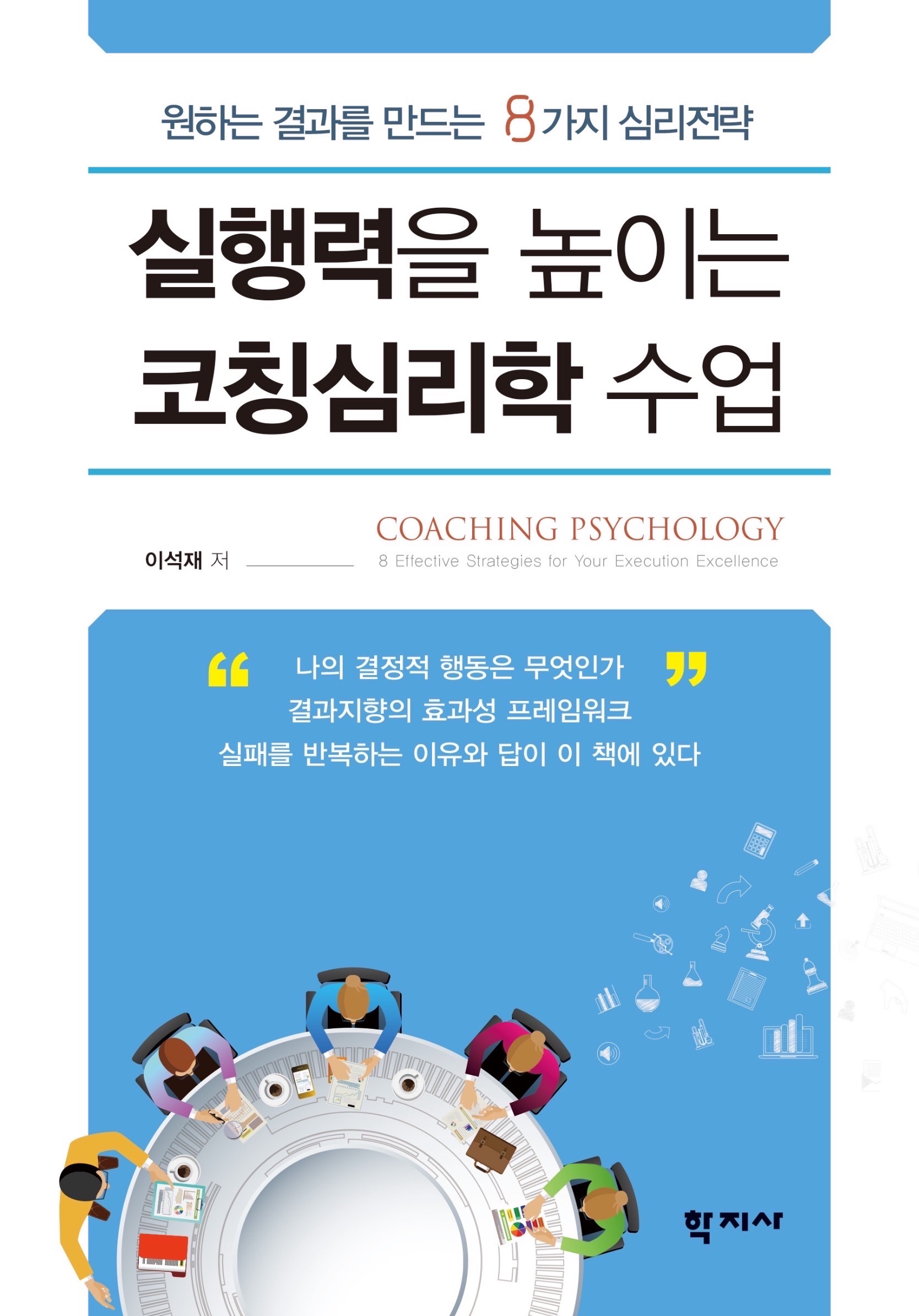
Lee, Sukjae (2024). Coaching Psychology Class for Boosting Execution. Seoul: Hakjisa.
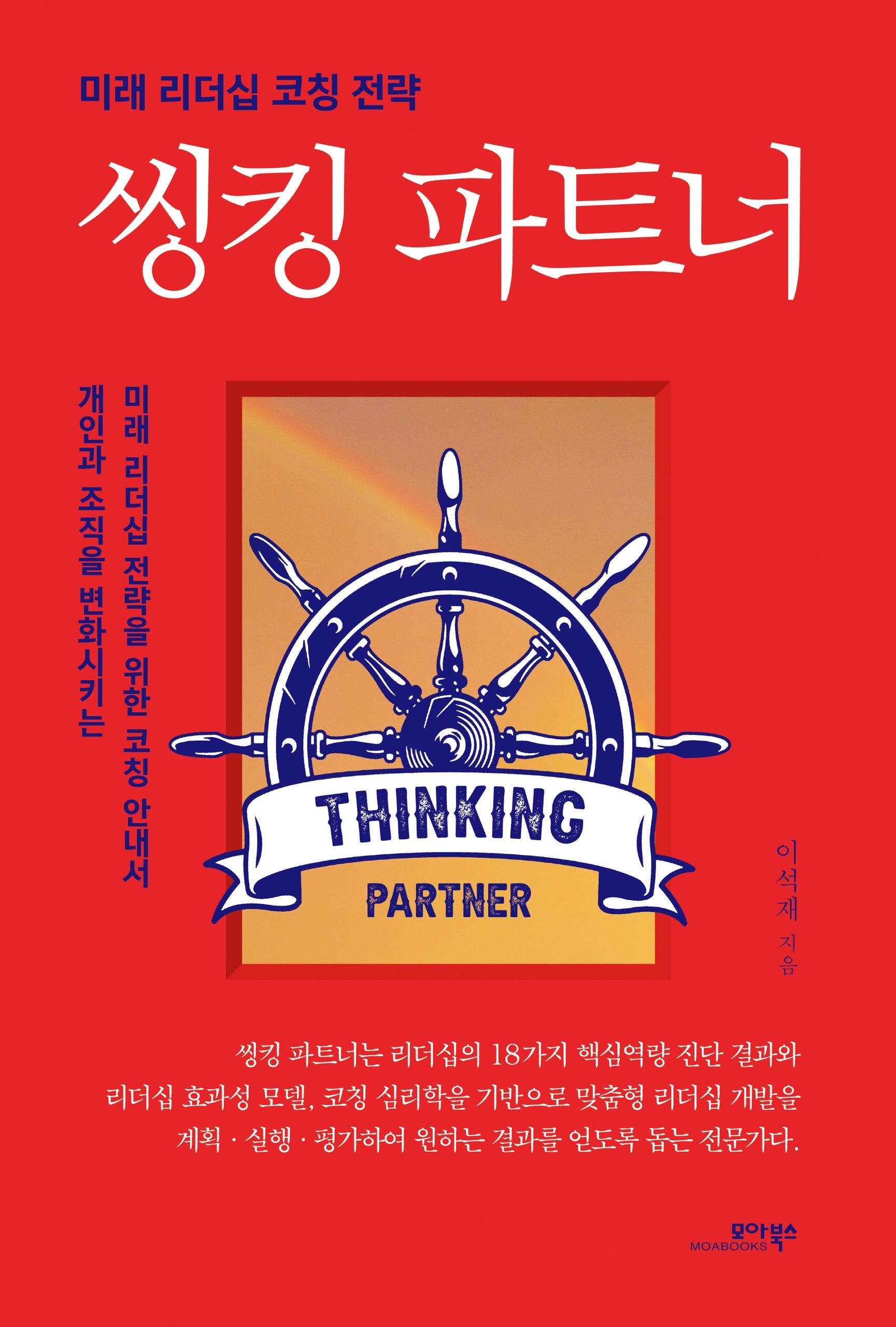
Lee, Sukjae (2024). Thinking Partner. Gyeonggi: Moa Books.
Lee, Sukjae & Lee, Jongseo (2025). Perspective Shifting. Seoul: Parkyoungstory.
 |
 |
 |
 |
 |
 |