3S-FORM Model
Sukjae Lee Ph.D.
Creator of the Effectiveness Coaching Methodology
2025. 12. 9.
The 3S-FORM Model is a core framework within the Effectiveness Coaching methodology, developed by Dr. Sukjae Lee(Lee, S., 2014; 2020; 2023). It is designed to create sustainable behavioral change by explicitly separating the client's internal work from the coach's structured process.
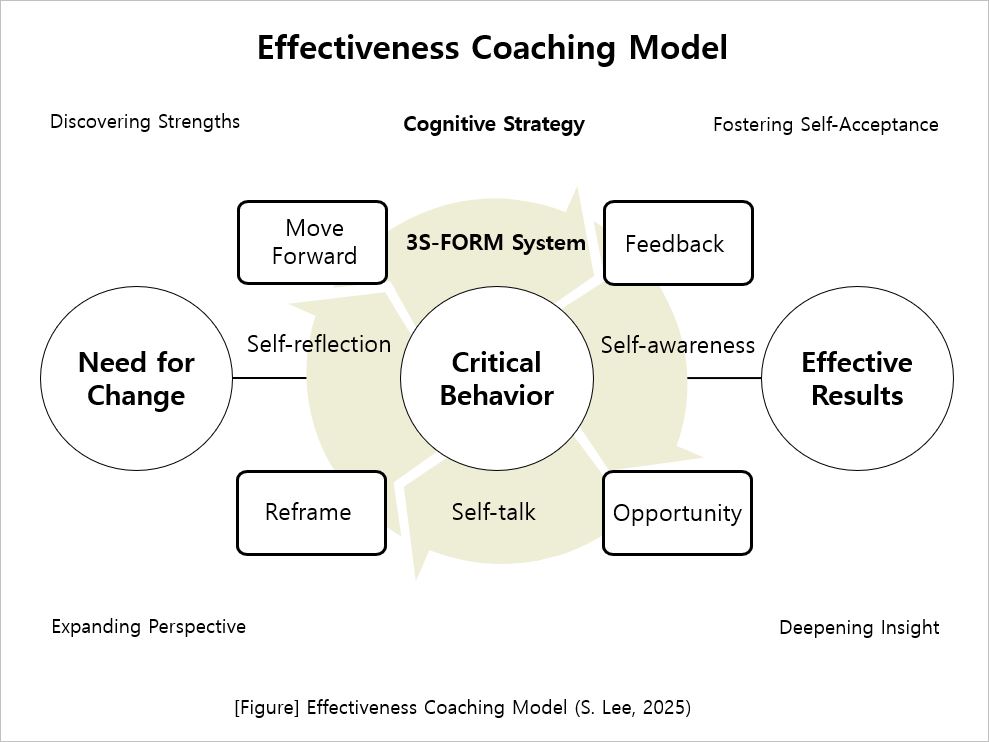
I. The Model Components
The model is divided into two parts that work collaboratively:
1) 3S (Coachee's Internal Growth Engine)
The 3S represents the coachee's proactive cognitive activities that drive internal, long-term change.
- Self-awareness: The coachee objectively views and understands their current state, strengths, weaknesses, and behavioral patterns. This is the starting point for change.
- Self-talk: The coachee engages in internal dialogue to motivate themselves, challenge limiting beliefs, and facilitate positive mental framing.
- Self-reflection: The coachee consistently reflects on their actions, results, and insights to gain deep learning and align their efforts with their new goals.
2) FORM (Coach's Process Structure)
FORM represents the coach's systematic process to guide the coachee toward behavioral change and desired results.
- Feedback: Collaboratively exploring the coachee's current situation to identify areas for improvement or new endeavors.
- Opportunity: Helping the coachee find new perspectives on a problem (cognitive reframing) and tentatively instill a challenging spirit.
- Reframe: Facilitating the coachee to successfully make a perspective change and set concrete action plans toward their goal.
- Move forward: Evaluating the results of actions and progress, and providing feedback to gain deep insights for the next steps.
II. Key Principle
The synergy between the coach following the FORM process (external structure) and the coachee activating the 3S activities (internal growth) is what is believed to enhance coaching effectiveness and ensure that behavioral change is successful and sustainable.
The 3S part of the 3S-FORM model is crucial as it represents the coachee's internal engine for sustainable change, working alongside the coach's structured FORM process.
Here is the 3S (Coachee's Internal Growth Engine) in order:
1) 3S: The Coachee's Internal Growth Engine
The 3S components are primarily cognitive activities that the coachee must engage in proactively to internalize insights and make behavioral changes last.
| Component | Description | Coachee's Internal Activity |
| Self-awareness | The process of objectively observing one's current self—including thoughts, feelings, behaviors, strengths, and weaknesses—as if watching a movie of one's life. This establishes the foundation for understanding the need for change. | Observation and Understanding of the current state. |
| Self-talk | The coachee's internal conversation and dialogue used to challenge limiting beliefs, instill confidence, and frame problems in a solution-oriented way. It is the mental management that supports action. | Internal Dialogue and Motivation to shift perspective and prepare for action. |
| Self-reflection | A deliberate and continuous process of reviewing actions, results, and insights gained from the coaching process and real-life experiences. This is how the coachee gains deep learning and adjusts their approach. | Review, Learning, and Adjustment for continuous improvement and sustained change. |
The 3S activities are what ensure that the changes catalyzed by the coach's FORM process are internalized and become the coachee's own, leading to long-term effectiveness.
Here is the FORM process in order:
2) FORM: The Coach's Process Structure
| Component | Description | Coach's Focus |
| Feedback | The coach and coachee explore the coachee's current situation, challenges, and aspirations. This involves sharing observations and data to objectively establish the gap between the current state and the desired outcome. | Establishing the objective reality and identifying areas for improvement or growth. |
| Opportunity | The coach helps the coachee challenge their limiting assumptions and discover new possibilities or perspectives regarding their challenge. This step aims to generate a sense of hope and motivation. | Cognitive Reframing and challenging the status quo to open up new pathways. |
| Reframe | The coach facilitates the coachee in solidifying their new perspective (the "reframe") into a clear, focused goal and developing a concrete action plan. This is the transition from insight to commitment. | Goal setting, commitment, and planning the specific next actions. |
| Move forward | The coach supports the coachee in executing the plan, evaluating the results of their actions, and gaining deeper insights from their experience. This cyclical step sets the stage for the next coaching interaction. | Action execution, evaluation, and learning to ensure sustainable progress and accountability. |
The FORM steps are often cyclical, meaning the "Move forward" step leads naturally back into "Feedback" for the next cycle of coaching.
References
Lee, Sukjae (2006). Develop 18 Core Leadership Competencies. Seoul: Kim & Kim Books.
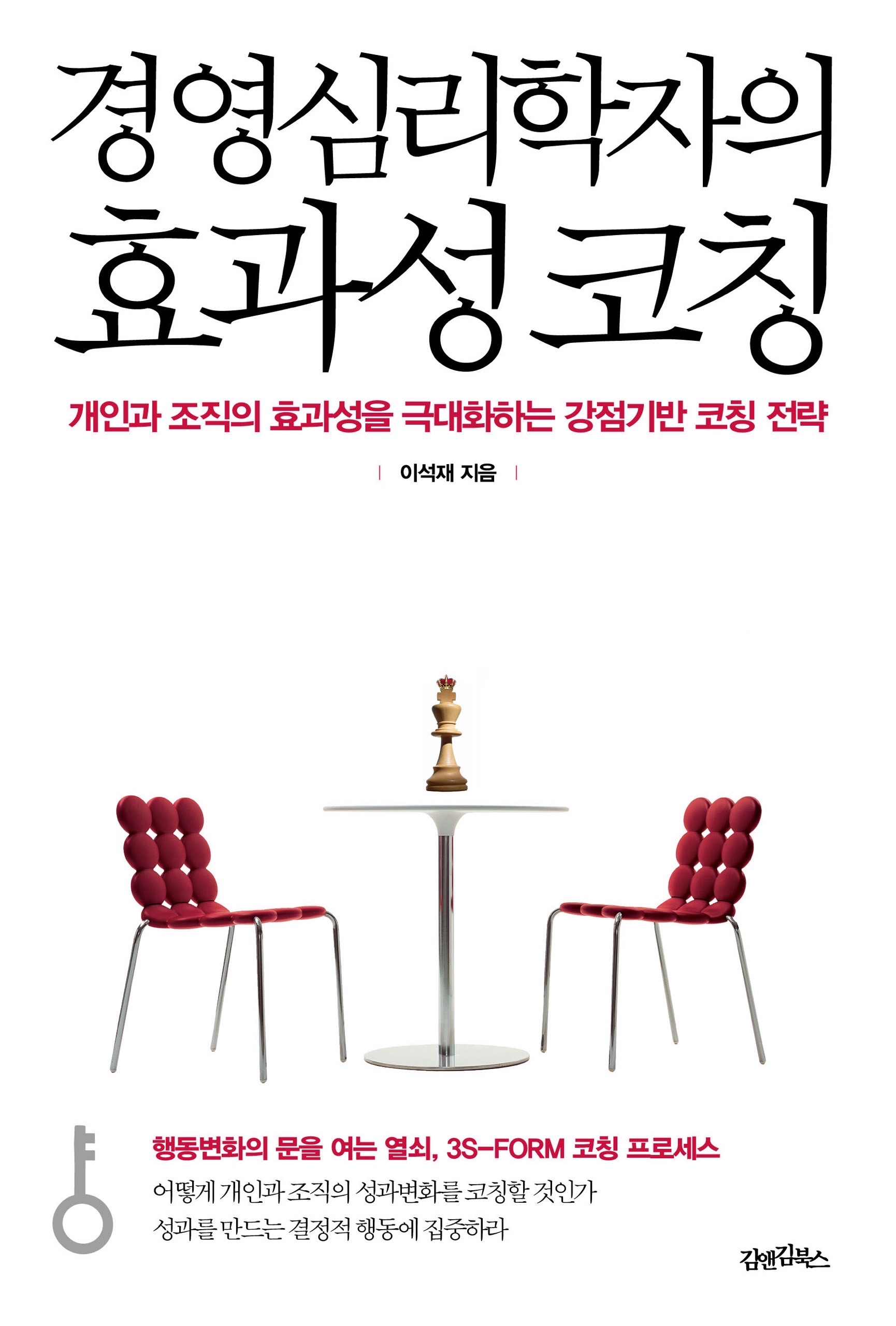
Lee, Sukjae (2014). Effectiveness Coaching by a Business Psychologist. Seoul: Kim & Kim Books.
Lee, Sukjae (2019). Thought Revolution That Changes My Life. Seoul: Wildbooks.
Lee, Sukjae (2020). Coaching Methodology. Seoul: Korea Coaching Supervision.
Lee, Sukjae (2020). How to Use a Wandering Mind. Seoul: Plan B Design.
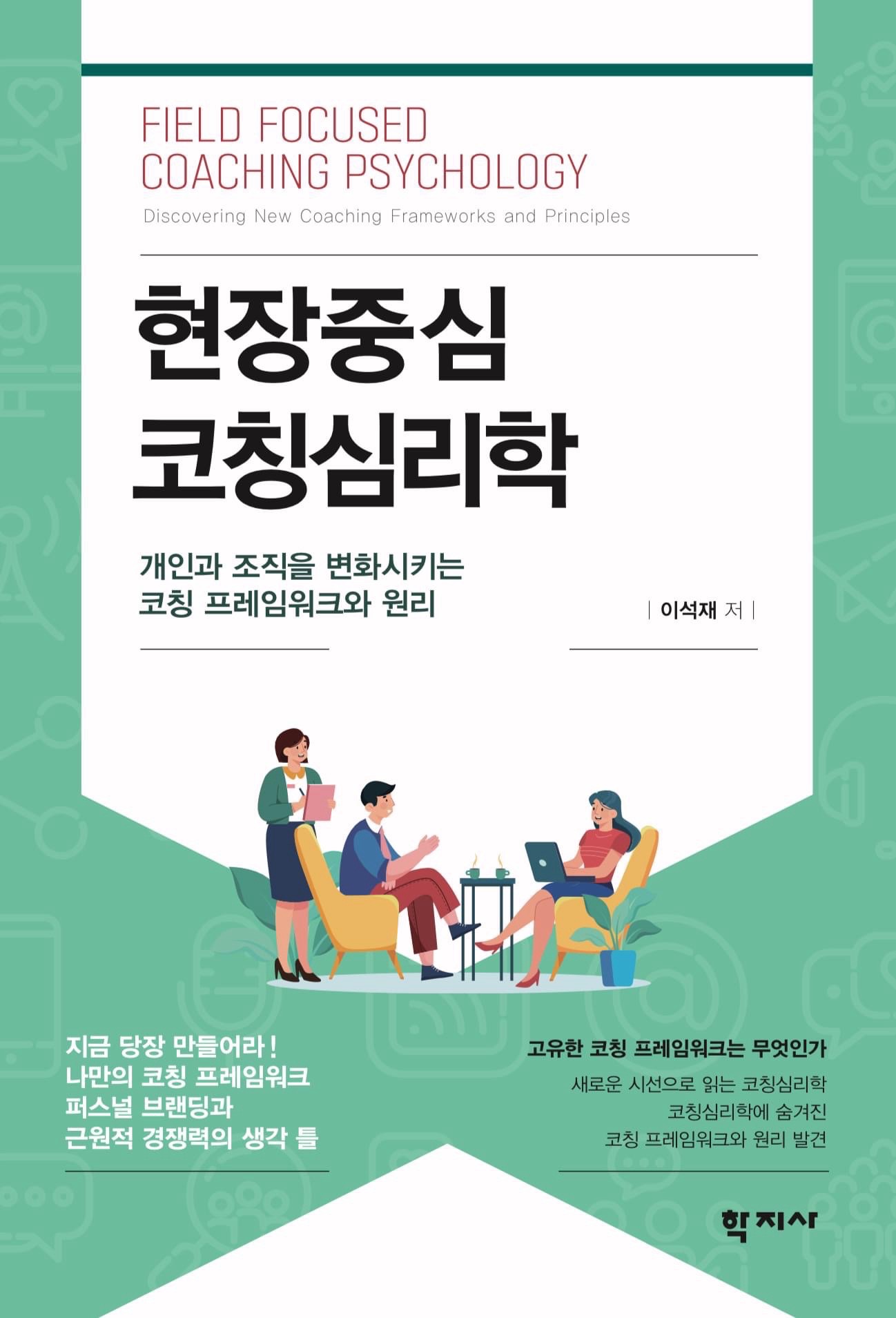
Lee, Sukjae (2023). Field-Focused Coaching Psychology. Seoul: Hakjisa.
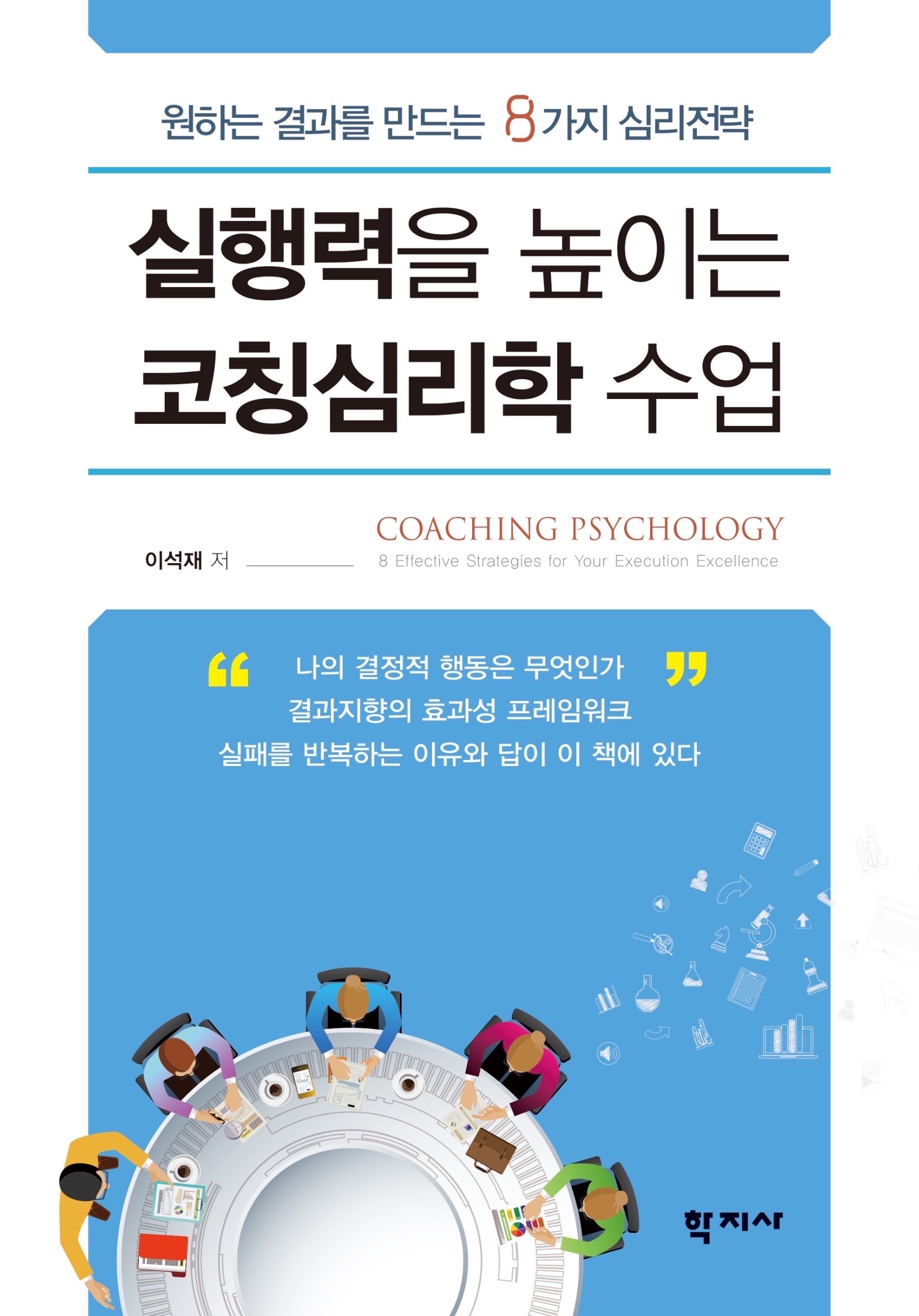
Lee, Sukjae (2024). Coaching Psychology Class for Boosting Execution. Seoul: Hakjisa.
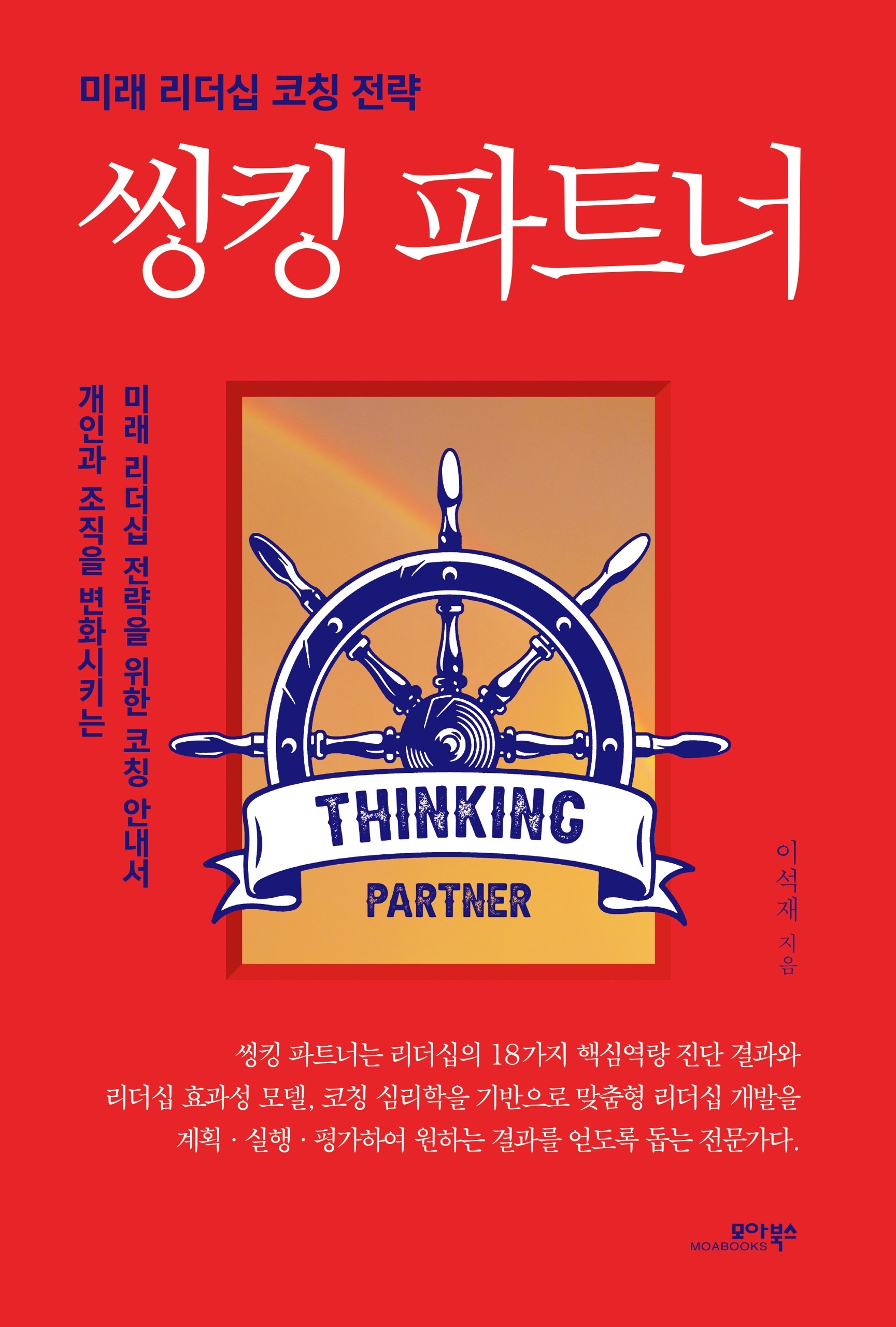
Lee, Sukjae (2024). Thinking Partner. Gyeonggi: Moa Books.
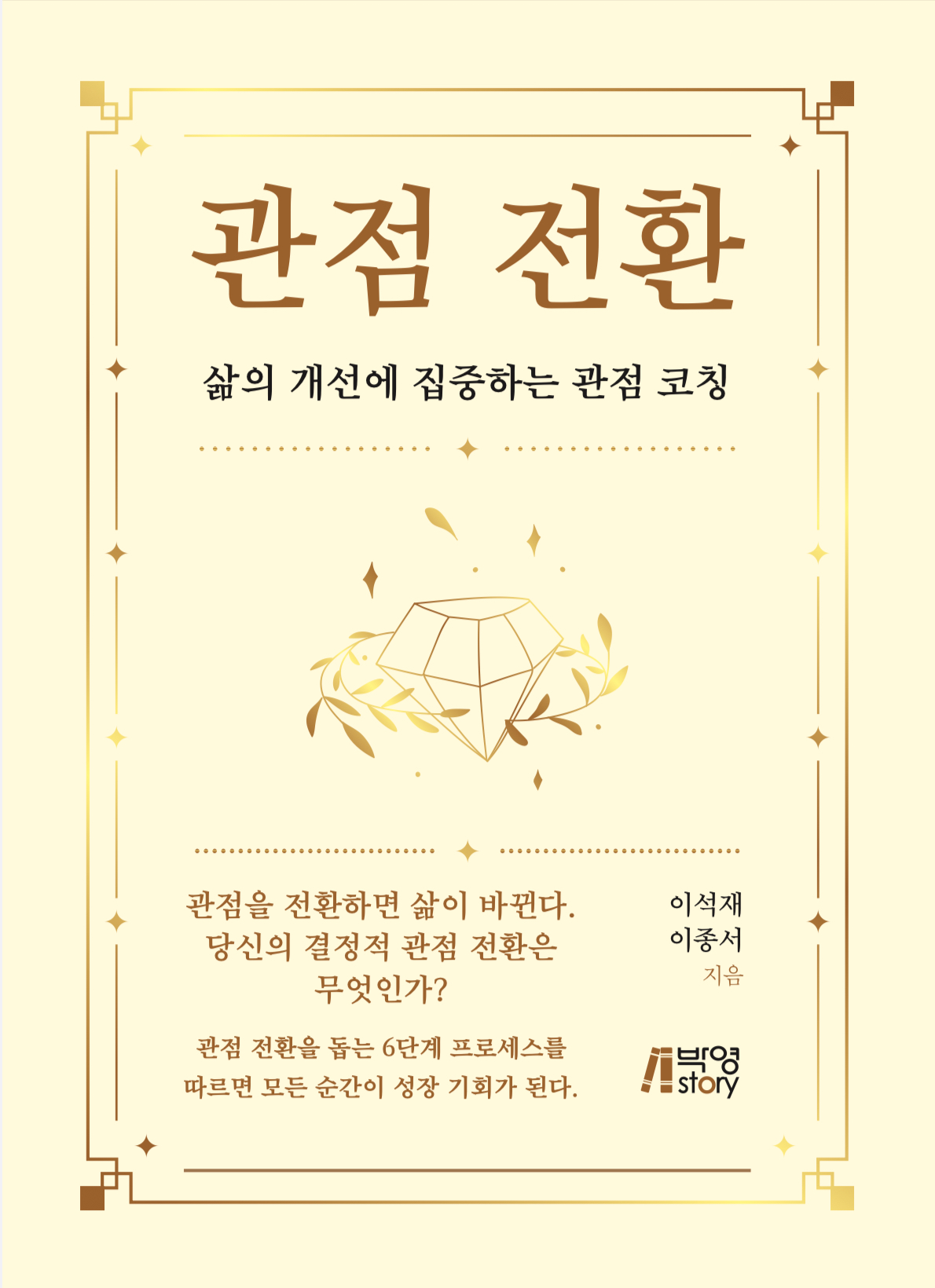
Lee, Sukjae & Lee, Jongseo (2025). Perspective Shifting. Seoul: Parkyoungstory.
 |
 |
 |
 |
 |
 |