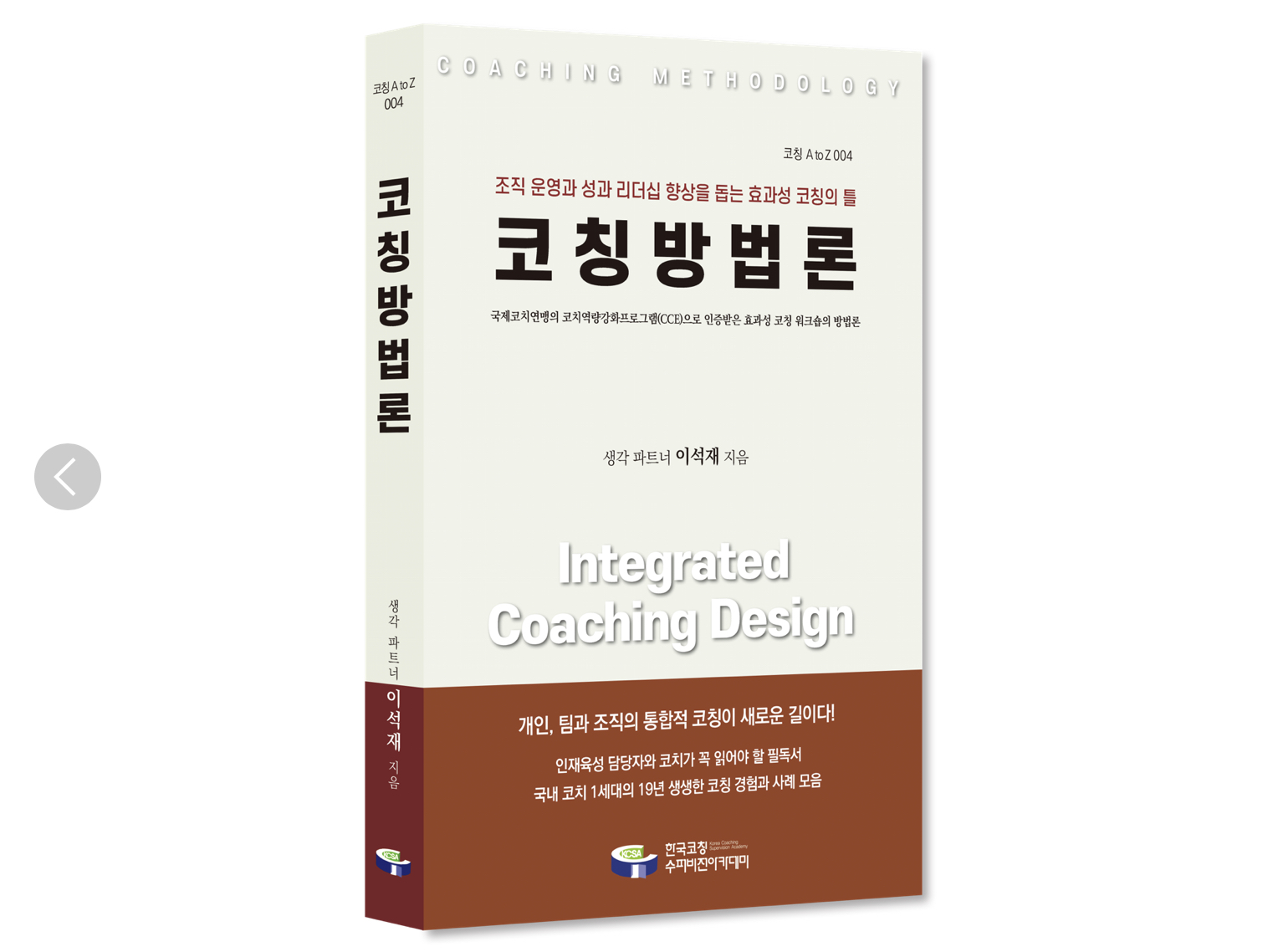
What is the Effectiveness Coahing Methodology?
Sukjae Lee Ph.D.
Creator of the Effectiveness Coaching Methodology
2025. 11. 15
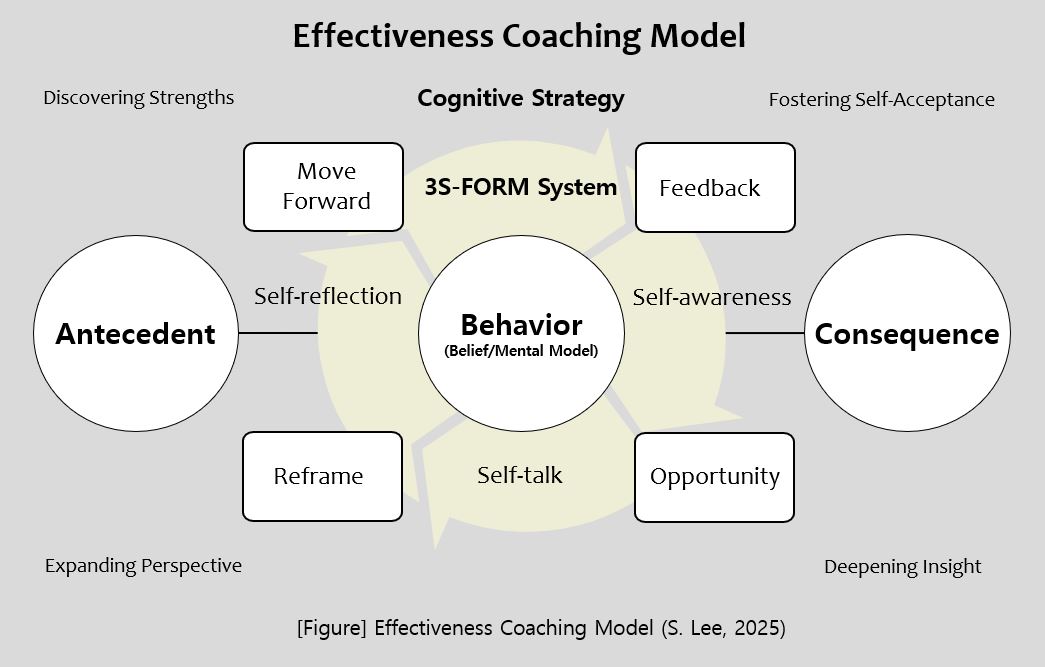
Effectiveness Coaching mainly relies on a unique methodology originally developed by Dr. Sukjae Lee, and also integrates various evidence-based frameworks, techniques, and best practices from behavioral science and positive psychology to ensure measurable and sustainable results(Lee, 2014; 2020; 2023). The methodology is highly integrated, client-centric and outcome-oriented.
Key methodologies and principles of effectiveness coaching include:
- ABC Framework: One specific methodology developed by coach Sukjae Lee(also refer to as Dr. Sukjae Lee or Dr. Seokjae Lee, 2014; 2020; 2024) uses an A (Antecedent/Trigger), B (Behavior), C (Consequence/Result) framework to understand and modify behavior through understanding the cause-and-effect relationships.
- Solution-Focused Coaching: This approach emphasizes exploring solutions and future possibilities rather than dwelling on the details of past problems, focusing on what is working well and how to do more of it.
- Appreciative Inquiry (AI): A strengths-based approach that focuses on discovering strengths, dreaming possibilities, designing solutions, and delivering results.
- GROW Model: A widely used framework for goal setting and problem-solving, guiding the client through 4 steps of coaching approach: Goal, Reality, Options, and Will.
- Goal Orientation and Measurement: The process starts with defining clear, specific, and measurable goals or Key Performance Indicators (KPIs). Regular assessments and feedback are used to track progress and ensure alignment with desired outcomes.
- Active Listening and Powerful Questioning: Coaches use active listening to understand the client's perspective deeply. They use powerful, open-ended questions to foster self-awareness and help clients generate their own insights and solutions, rather than giving directives.
- Client Ownership and Empowerment: The methodology emphasizes the client taking responsibility for their own growth and action steps. Coaches create a safe, supportive, yet challenging environment where clients feel empowered to act on their insights.
- Behavioral Agility and Reflection: Coaches help clients reflect on their experiences, analyze what worked and what didn't, and develop the agility to adapt their behaviors and responses to different situations.
- Customized Approach: Effectiveness Coaching Methodology tailors the coaching techniques and frameworks to the specific needs, context, and learning style of the individual client.
- Evidence-Based Practice: Drawing on research from psychology and organizational behavior ensures that the methods used are proven to facilitate growth and change.
- Continuous Feedback and Accountability: Regular check-ins, progress reviews, and mechanisms for accountability help maintain momentum and ensure commitments are met.
3. References
Lee, Sukjae(2006). Develop 18 Core Leadership Competencies. Seoul: Kim & Kim Books.
Lee, Sukjae(2014). Effectiveness Coaching by a Business Psychologist. Seoul: Kim & Kim Books.
Lee, Sukjae(2019). Thought Revolution That Changes My Life. Seoul: Wildbooks.
Lee, Sukjae(2020). Coaching Methodology. Seoul: Korea Coaching Supervision.
Lee, Sukjae(2020). How to Use a Wandering Mind. Seoul: Plan B Design.
Lee, Sukjae(2023). Field-Focused Coaching Psychology. Seoul: Hakjisa.
Lee, Sukjae(2024). Coaching Psychology Class for Boosting Execution. Seoul: Hakjisa.
Lee, Sukjae(2024). Thinking Partner. Gyeonggi: Moa Books.
Lee, Sukjae & Lee, Jongseo(2025). Perspective Shift. Seoul: Parkyoungstory.